Who needs training?
Separate new operators from employees who need recertification, then estimate the group size.
Bring practical operator training to your workplace, so your team can learn around the equipment and work environment they know.
Request a Training Date →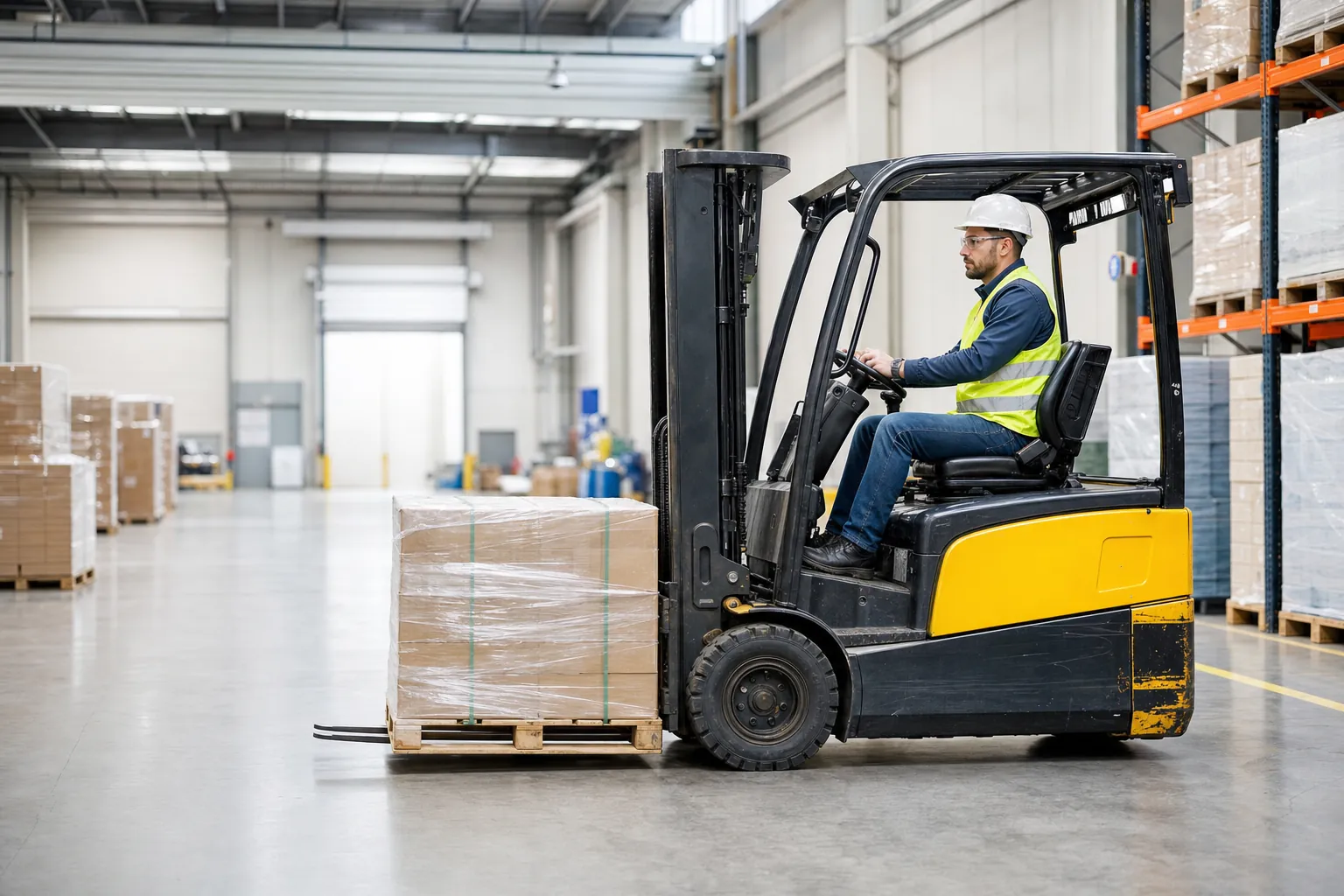
Arranging forklift training can quickly turn into a scheduling problem. Operators may work different shifts, equipment cannot always be taken out of service at the same time, and sending a group across the city adds travel to a day that already needs careful coordination. Bringing the course to your workplace gives your team a more direct way to prepare together.
Training Wheelz USA provides forklift operator training and certification at customer locations in the Houston area. The course gives new operators a structured start before regular equipment work begins, while experienced operators have a focused opportunity to revisit the habits and responsibilities that matter in the environment they work in every day.
Training Wheelz USA lists an eight-hour forklift operator course with certification, on-site delivery, and recertification availability. Start with your group size, worksite, equipment use, and the training window you need to protect.
Plan forklift training in Houston →A forklift operator in a warehouse, yard, loading area, manufacturing floor, or distribution setting has to stay aware of much more than the load in front of them. Pedestrian activity, racks, dock edges, changing inventory, visibility, tight turns, shift handoffs, and the pace of the operation all affect the decisions an operator needs to make. Training has more value when it stays connected to that reality.
On-site delivery helps leaders bring the course closer to the conditions their operators recognize. The goal is not to interrupt the operation for the sake of checking a box. It is to give the group dedicated time to focus on careful equipment work, communicate expectations, and return with a clearer shared reference point for the work ahead.
That shared understanding matters when teams are growing or responsibilities are changing. A new operator needs to know that careful forklift work is part of the job from the beginning. An experienced operator benefits from a planned moment to revisit the training conversation before it becomes an urgent issue after an incident, performance concern, or workplace change.
Before requesting a date, identify which employees are new operators and which are returning for recertification. It also helps to think through the equipment they use and the part of the operation where they work. That context gives Training Wheelz USA a stronger starting point for the first planning conversation.
Then choose a time when the group can stay focused. A training day is more productive when employees are not repeatedly pulled away to cover routine work. Planning for coverage, shift timing, and the number of attendees gives everyone a better chance to participate and carry the conversation back to the workplace.
Separate new operators from employees who need recertification, then estimate the group size.
Be ready to describe the forklifts and the kind of material-handling work your operators perform.
Choose a workable training window that supports the operation and lets attendees stay present.
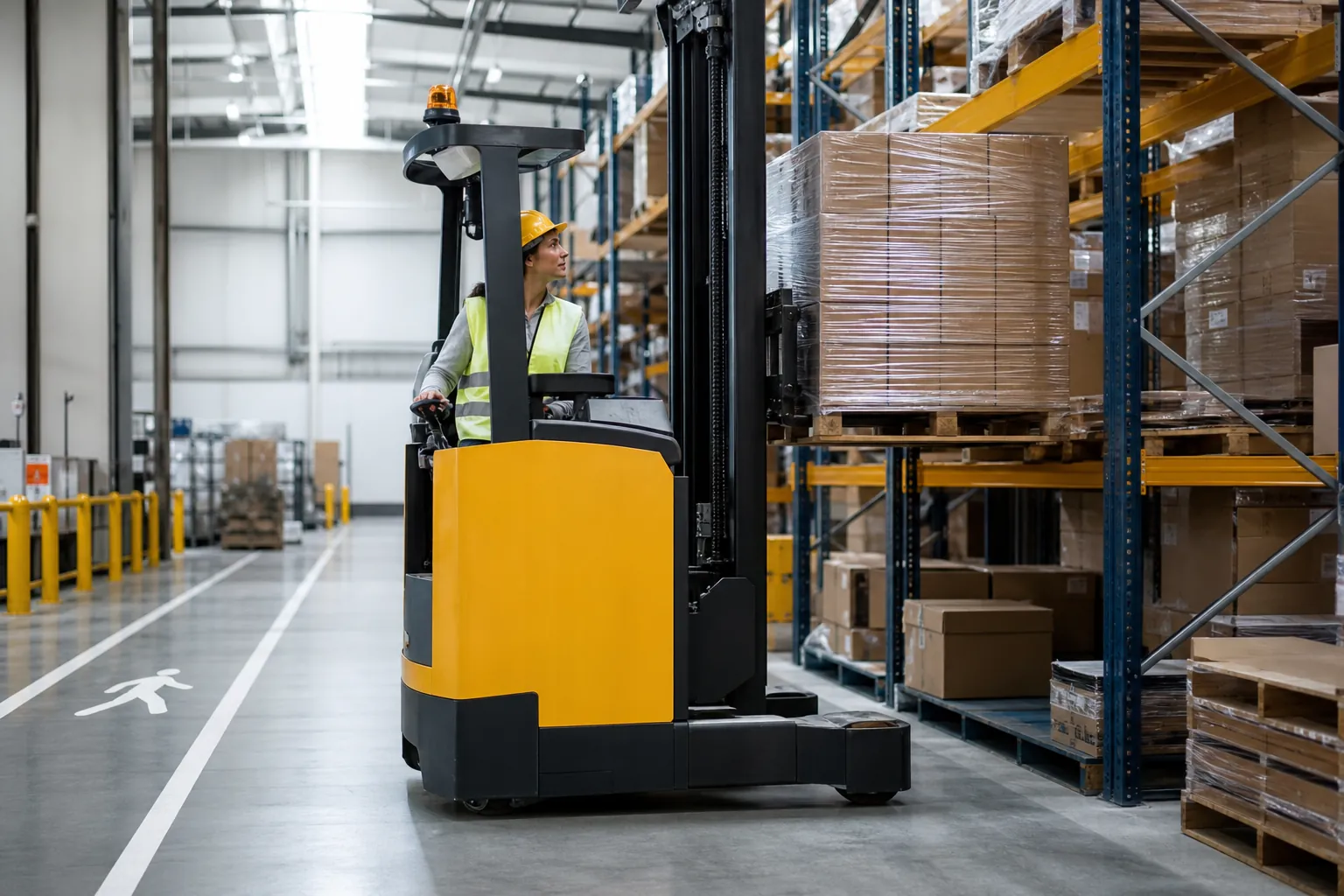
Off-site classes can create extra coordination before training even begins. Employees have to travel, supervisors have to track arrivals, and a group may return to the worksite with different takeaways from a setting that has little connection to their usual responsibilities. On-site delivery removes much of that friction.
When employees train near the operation they support, leaders also have a clearer opportunity to reinforce the course afterward. The training can become a useful reference point for welcoming a new operator, discussing a changing work area, or setting expectations before a busy period. That follow-through helps keep the value of the day visible after the course is complete.
Training is most useful when supervisors and operators can refer back to it during ordinary work. That may mean making time for questions before a new operator takes on a different assignment, reviewing how the team communicates around equipment, or noticing when a change in the work area calls for more attention. The course becomes stronger when it is part of the standard the team sees every day.
Keeping a simple record of who completed training, who needs recertification, and when the next group may need attention helps the business plan ahead. Instead of trying to organize training only after a deadline or concern appears, leaders have a clearer view of the operator needs that are beginning to take shape.
For Houston-area employers, Training Wheelz USA offers a practical way to begin with the group, location, and timing that need attention now. Share your worksite details and preferred training window, and the team can help you plan the next step for your operators.
Looking for forklift training outside the Houston area? Explore on-site forklift operator training from Training Wheelz USA. You can also compare all workplace training courses for your team.
Yes. Training Wheelz USA brings forklift operator training to customer workplaces in the Houston area, helping your team train where the equipment and daily work are familiar.
The course is a fit for employees who operate forklifts, including new operators and team members returning for recertification.
Training Wheelz USA lists its forklift operator course as an eight-hour program. Share your group size and worksite needs when you request a date so the team can discuss the right timing.
Yes. Training Wheelz USA offers recertification for operators who need to return to a focused forklift training conversation.
Start with the number of operators, whether they are new or returning, the forklift work they perform, and a preferred training window. Those details make the first planning conversation more useful.