Who needs training?
Identify the operators, riggers, and supervisors whose roles should be part of the training conversation.
Give the people responsible for lifting work a practical, instructor-led training day built around the equipment they use.
Request a Training Date →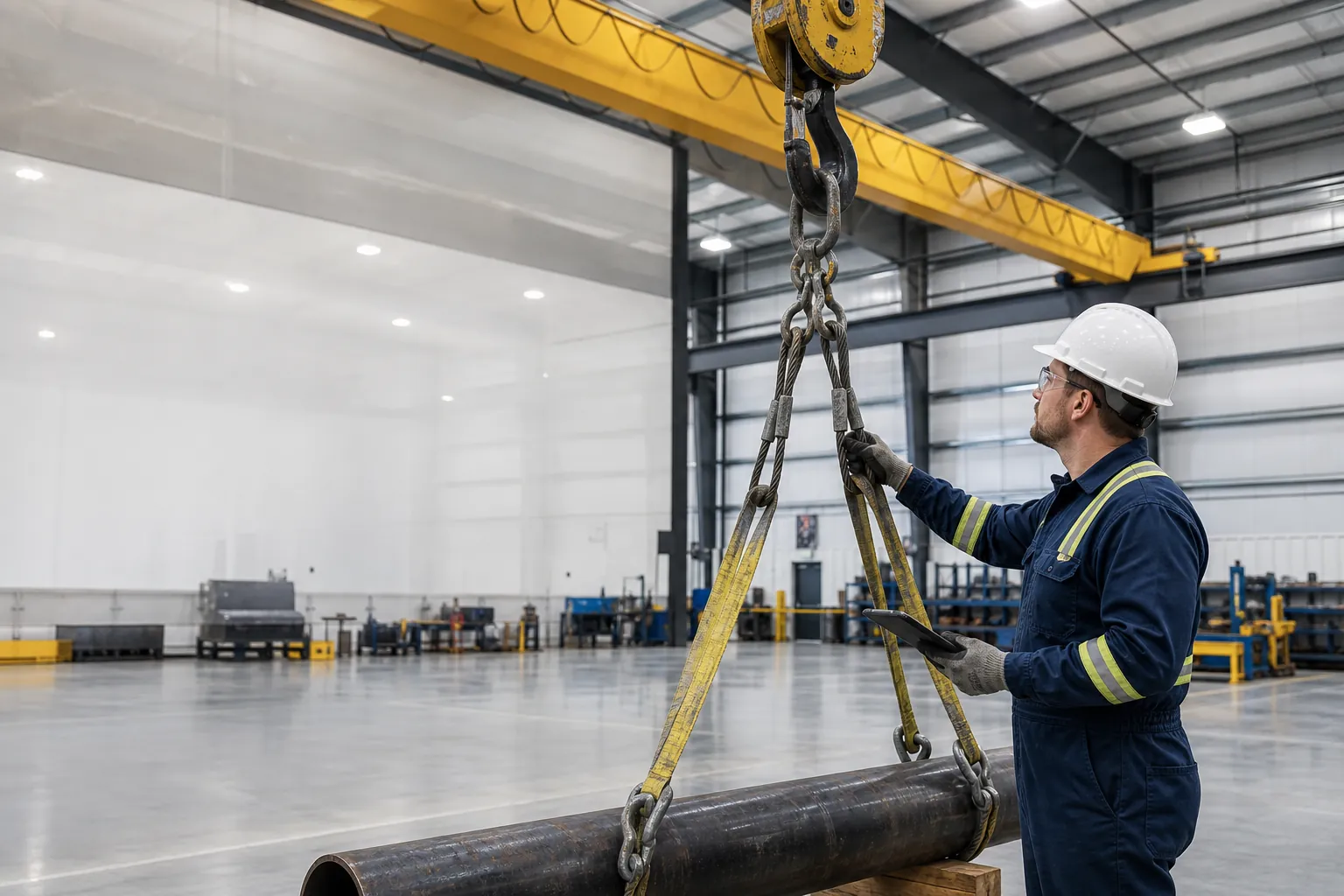
Overhead crane and rigging work asks people to make careful decisions around equipment, loads, clearances, communication, and the people working nearby. A generic conversation away from the worksite can only go so far. Training Wheelz USA brings the course to your location so the discussion can stay close to the equipment and daily responsibilities your team recognizes.
That makes the training day easier to place within a real operation. Supervisors can bring together the people who work around lifting tasks, explain the situations that matter at the site, and give the group a focused setting to strengthen the habits that help work move safely and deliberately.
Training Wheelz USA offers full-day and three-day overhead crane and rigger training options at customer locations. The course uses your workplace equipment, giving your group a more grounded way to talk through safe work expectations.
Plan crane training for your team →A production floor, plant, shop, yard, or maintenance area has its own rhythm. Loads may move through tight spaces, past fixed equipment, around other employees, or between teams handling different parts of the job. Those conditions make communication and preparation important long before a lift begins. A well-planned training day gives people room to slow down and discuss the decisions that protect the team and the work.
Before the course, Training Wheelz USA can learn about your group, the equipment involved, and the type of work your team handles. That initial conversation helps you choose the right training format and gives you a place to raise practical concerns, such as a new group of employees, a change in responsibilities, or a need to bring expectations back into focus.
During training, the goal is not to turn a complex job into a checklist someone forgets by the next shift. It is to help the people responsible for lifting work approach their role with more shared awareness. When operators, riggers, and supervisors are working from clearer expectations, it is easier to pause, communicate, and make a steady choice when the job changes.
Good planning starts with knowing who needs to be in the room. Your group may include people who operate overhead cranes, employees who handle rigging tasks, or supervisors who set the expectations around lifting work. Bringing the right people together helps the training day feel relevant instead of separate from the work they return to afterward.
Choose a time when the group can focus. When participants are repeatedly pulled back into urgent work, it is harder to have the clear, practical conversation that makes training valuable. A planned window lets people ask questions, connect the course to their responsibilities, and leave with a more consistent understanding of what the team expects.
Identify the operators, riggers, and supervisors whose roles should be part of the training conversation.
Be ready to describe your overhead crane and rigging equipment, along with the work that depends on it.
Share whether you are preparing a new team, reinforcing expectations, or planning ahead for a certification renewal.
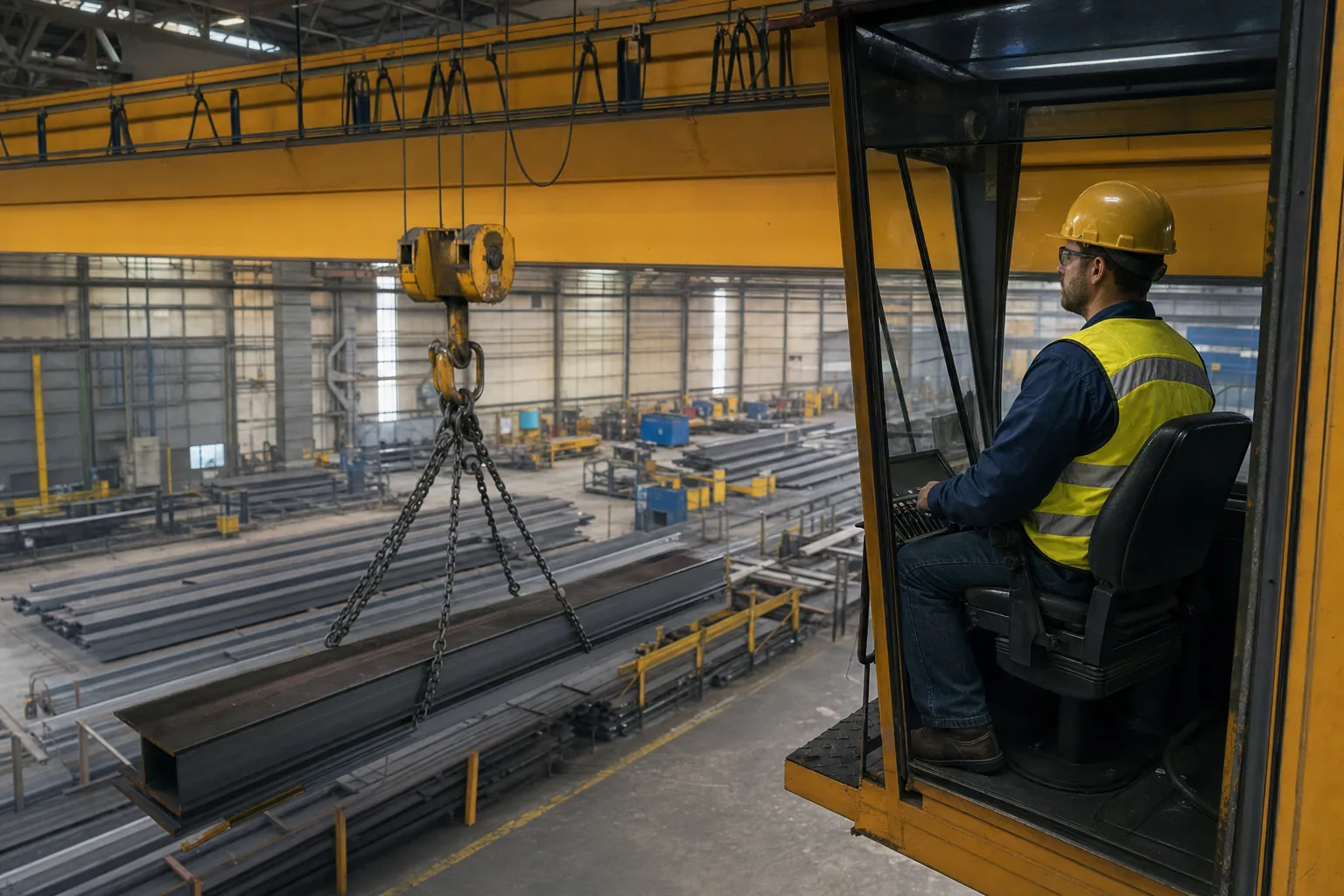
Off-site training can add travel, scheduling pressure, and a disconnect from the equipment and environment that shape the work. On-site delivery makes the day more straightforward. Your group can train at the location where they already understand the pace, the layout, and the coordination the job demands.
That does not mean the course is casual. It means the instruction has a real place to land. Employees can connect the discussion to the responsibilities they carry, and leaders can show that thoughtful lifting work is part of the standard for the team.
Training has more value when it continues to shape the work after the scheduled day. Supervisors can use the course as a reason to reinforce the routines that help the team plan, communicate, and recognize when a job needs another look. The point is not to add unnecessary delay. It is to make careful preparation part of professional work.
For team members, a shared training experience can make it easier to speak up. If a condition changes, a load does not look right, or the plan is unclear, the right next step is a pause and a conversation. A workplace that treats those moments seriously gives people a clearer standard to follow when pressure is high.
That shared standard matters before work begins as much as it does during a lift. A crew that knows how to talk through responsibilities, confirm who is involved, and stop when a detail needs attention is better positioned to work with less confusion. Training gives leaders a practical opportunity to set that tone clearly, rather than assuming each person has received the same message through informal handoffs.
It also helps to keep a simple plan for future training. Roles change, new people join the team, equipment needs evolve, and certification dates approach. Knowing who was trained, what format was used, and when the next course should be considered helps leaders plan ahead instead of treating training as a last-minute scramble.
Training Wheelz USA can help your organization start with a course delivered at your location. Share the kind of lifting work your team performs, the equipment involved, and the timing that works for your operation. The next step is a practical conversation about giving your people a useful, focused training day that respects the work already on their schedule.
Need training for other workplace roles? Explore forklift, OSHA, and MSHA training options for your organization.
Yes. Training Wheelz USA provides overhead crane and rigger training at customer locations and uses the workplace equipment as part of the training conversation.
The course is intended for teams whose work involves overhead cranes, rigging equipment, or lifting tasks that require a coordinated safety approach.
Training Wheelz USA offers full-day and three-day training options. The right fit depends on your team, equipment, and training needs.
Training Wheelz USA lists its overhead crane and rigger certification as valid for two years. Contact the team to discuss timing for a new course or upcoming renewal.
Let the team know who needs training, the equipment involved, the type of lifting work your people handle, and when your operation can give the group focused time.