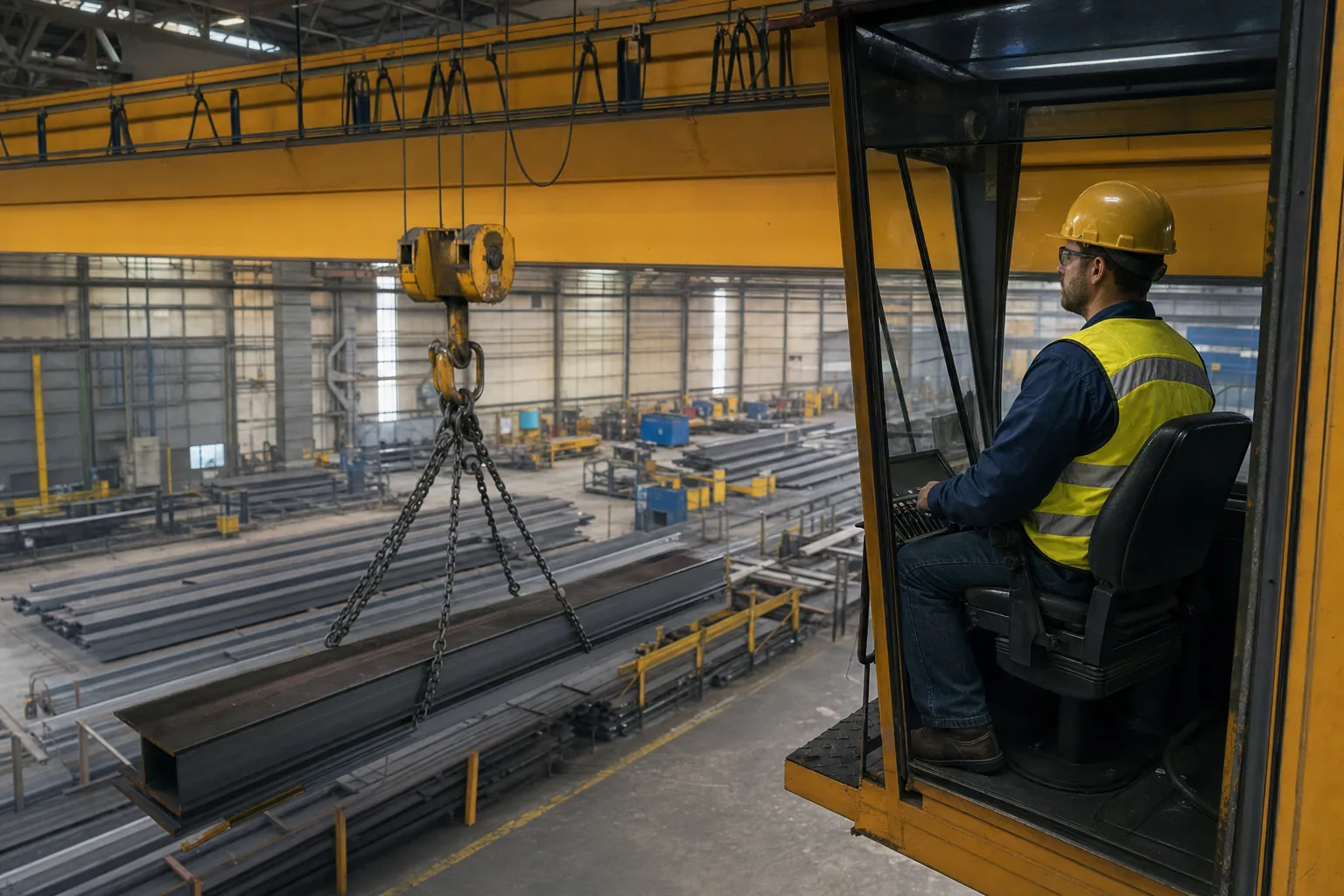
What forklift operator certified training includes, how workplace evaluation works, and when refresher training is needed. This guide is designed to help readers ask better questions, understand the responsibilities involved, and build safer decisions into everyday work.
Certification is more than a card
Forklift operator certified training should be built around the truck, the task, and the workplace where the operator will actually work. A card by itself does not show that someone can safely manage a specific load, attachment, aisle, ramp, dock, or pedestrian area. The practical question is whether the operator has been trained, evaluated, and found competent for the work in front of them.
OSHA's powered industrial truck guidance requires a combination of formal instruction, practical training, and workplace evaluation. It also makes clear that employers certify the training and evaluation. That is why a useful program starts with the real equipment and hazards on site rather than treating every forklift as identical.
Match the training to the truck and work area
An operator may need different knowledge for a sit-down counterbalance truck, narrow-aisle equipment, rough-terrain vehicle, or a truck with a specialised attachment. The load matters too. Long, high, uneven, or unstable loads change visibility, turning, braking, and the safe travel path. Good instruction explains those differences before a trainee is expected to perform under pressure.
Workplace conditions are just as important. Dock edges, ramps, blind intersections, battery-charging areas, pedestrians, trailers, uneven floors, and changing weather can all alter safe operation. A trainer can teach broad rules, but the evaluation has to show that the operator can apply them to the conditions they face every day.
Make the practical evaluation meaningful
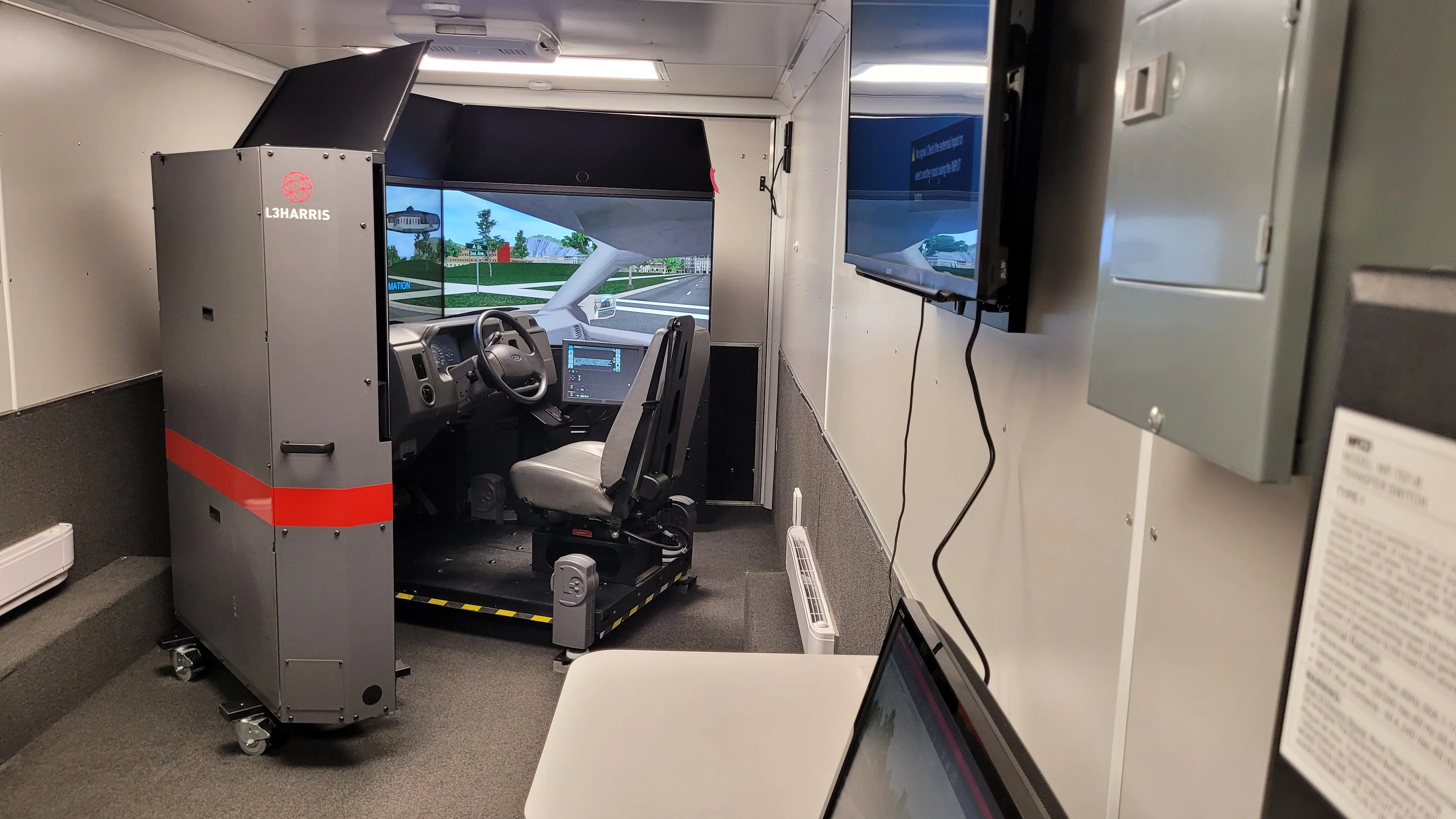
Practical evaluation is where an operator demonstrates safe habits, not simply the ability to move a machine. That includes inspection routines, mounting and dismounting, keeping loads stable, travelling at a controlled speed, using the horn and sightlines appropriately, parking safely, and protecting people around the truck.
Supervisors should give trainees time to practise and ask questions. If an operator is unsure about a load, route, or condition, stopping to get help is a safety decision, not a failure. The strongest training culture rewards that judgement instead of encouraging people to rush through an unfamiliar task.
Know when refresher training is needed
OSHA calls for each operator to be evaluated at least once every three years. Refresher training is also needed when unsafe operation is observed, an accident or near miss occurs, an evaluation shows a gap, the operator is assigned a different truck, or workplace conditions change in a way that affects safe use.
Training Wheelz USA delivers Forklift Operator Certified Training at your location, so the course can focus on your equipment and work environment. It is a practical option for employers who want to train new operators, respond to a documented gap, or prepare for the required evaluation cycle without taking the team away from the site.
Bring practical safety training to your site.
Training Wheelz USA delivers instructor-led driver and workplace safety training for organizations across The Woodlands and surrounding areas.
Request a Training Date →Frequently asked questions
Does OSHA require forklift operator certification?
OSHA requires operators to be trained and evaluated, and employers must certify that the required training and evaluation took place. The training must cover safe operation, the truck type, and workplace hazards.
How often are forklift operators evaluated?
Each operator must be evaluated at least once every three years. Refresher training and evaluation may be needed sooner after unsafe operation, an accident or near miss, a poor evaluation, a new truck assignment, or a meaningful workplace change.
Can online forklift training certify an operator by itself?
No. Formal instruction can be part of the training, but OSHA also requires practical training and workplace evaluation before an employer certifies an operator.
Related posts
Truck Driver Training: What New Drivers Should Expect
A practical guide to truck driver training, CDL preparation, and building safer habits before the road gets demanding.

Does OSHA 10 Expire? What Employers Need to Know
Does an OSHA 10 card expire? Learn what the federal program says, when a workplace may still require updated training, and how to plan responsibly.
How Long Is Forklift Certification Good For? The 3-Year Rule
How long is forklift certification good for? Understand OSHA's three-year evaluation rule, when refresher training is needed sooner, and what employers should document.