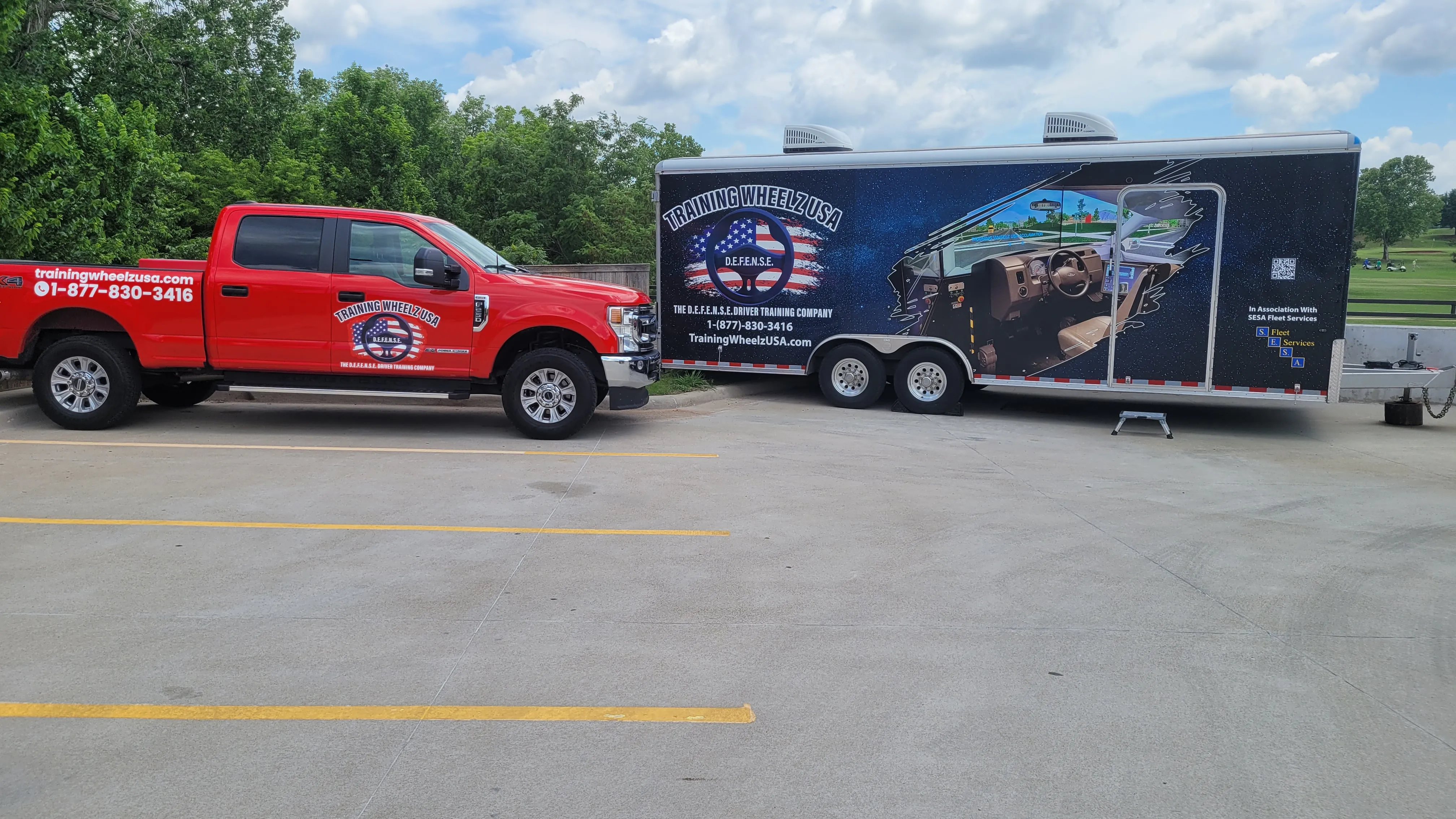
A practical guide to truck driver training, CDL preparation, and building safer habits before the road gets demanding. This guide is designed to help readers ask better questions, understand the responsibilities involved, and build safer decisions into everyday work.
Start with the job you want to do
Truck driver training is not one generic course. The vehicle, cargo, routes, employer expectations, and licence class all change the skills a driver needs. Before comparing programs, decide whether your goal is local delivery, regional freight, long-haul work, construction support, or another commercial role. That decision helps you understand the licence class and endorsements that may apply.
A sensible first stop is your state commercial driver manual. It explains local testing, documents, and licence rules. The Federal Motor Carrier Safety Administration also explains that first-time Class A and Class B applicants, along with some endorsement applicants, may need Entry-Level Driver Training before testing. Requirements can change, so use the official sources and your state agency for the final answer.
Learn the system before you learn the route
A strong program gives drivers a framework for every mile, not just a list of maneuvers to pass a test. That starts with vehicle inspection, seat and mirror setup, braking distance, space management, turns, backing, coupling or uncoupling where relevant, and reading road conditions early. Commercial driving puts more mass, length, blind areas, and stopping distance into every decision.
Classroom instruction matters because it gives a new driver time to understand the why behind a safe action. Practical training matters because knowledge has to turn into judgment. A driver needs to recognize a tight turn before entering it, plan a lane change before the last moment, and know when slowing down is the only smart option.
Build backing and hazard skills through repetition
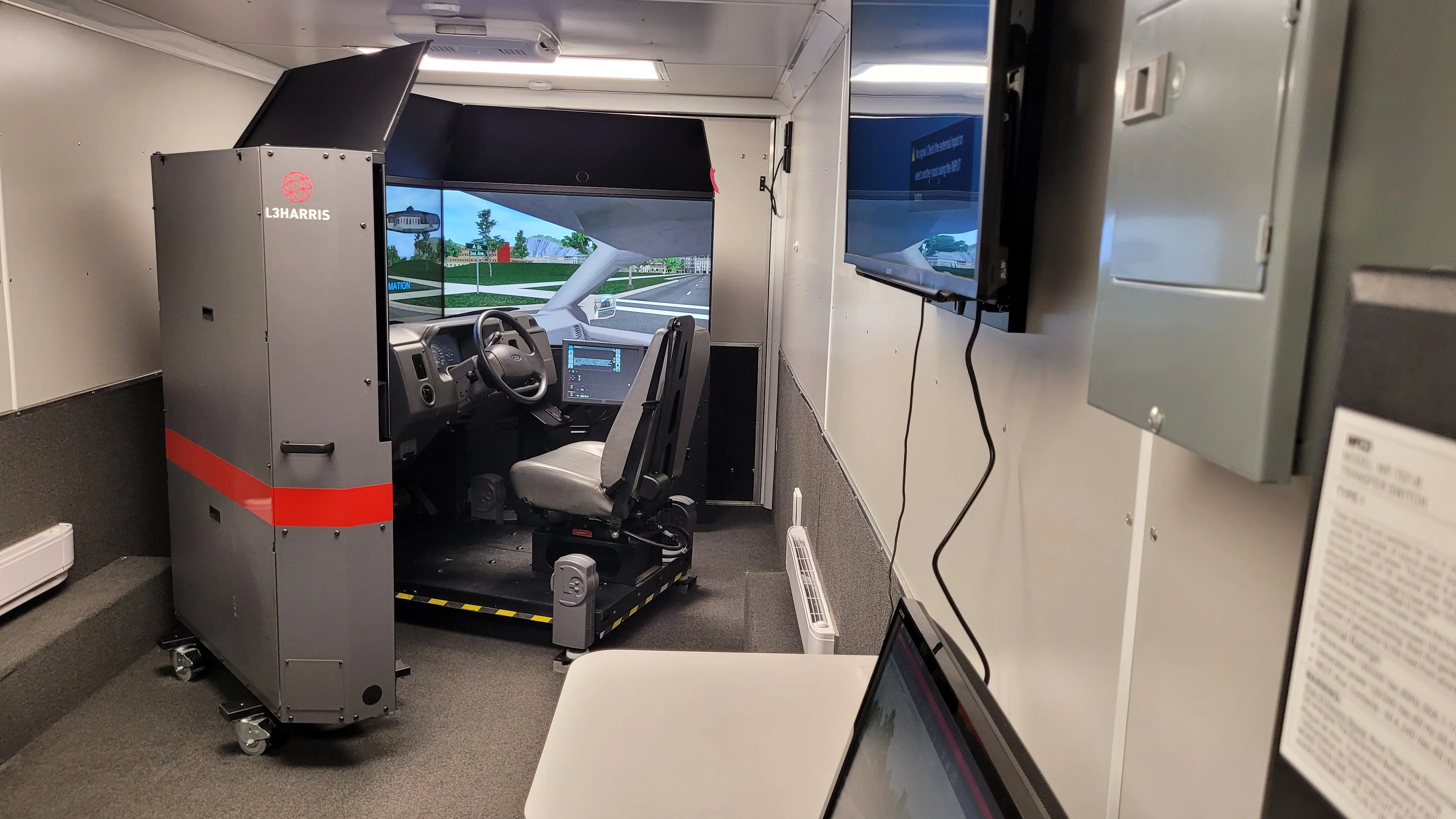
Backing is one of the places where rushed confidence causes trouble. Practice starts with getting out and looking when appropriate, using a clear plan, moving slowly, and stopping when visibility or alignment is uncertain. The goal is not to impress anyone with speed. It is to protect people, equipment, and the vehicle when the view behind the cab is limited.
Hazard recognition deserves the same deliberate practice. Traffic tightening ahead, a vehicle entering from a ramp, changing weather, a distracted car, a work zone, or a steep grade all ask for an earlier decision. Good training teaches a driver to keep scanning, preserve space, and make calm corrections rather than waiting for a perfect reaction at the last second.
Choose training that takes safety seriously
Ask a prospective training provider what is taught, how practical evaluation works, and how the program prepares drivers for the work they expect to do. Be cautious of promises that make licensing sound automatic. A responsible program explains the effort involved, the limits of the course, and what a driver must still complete with the relevant licensing authority or employer.
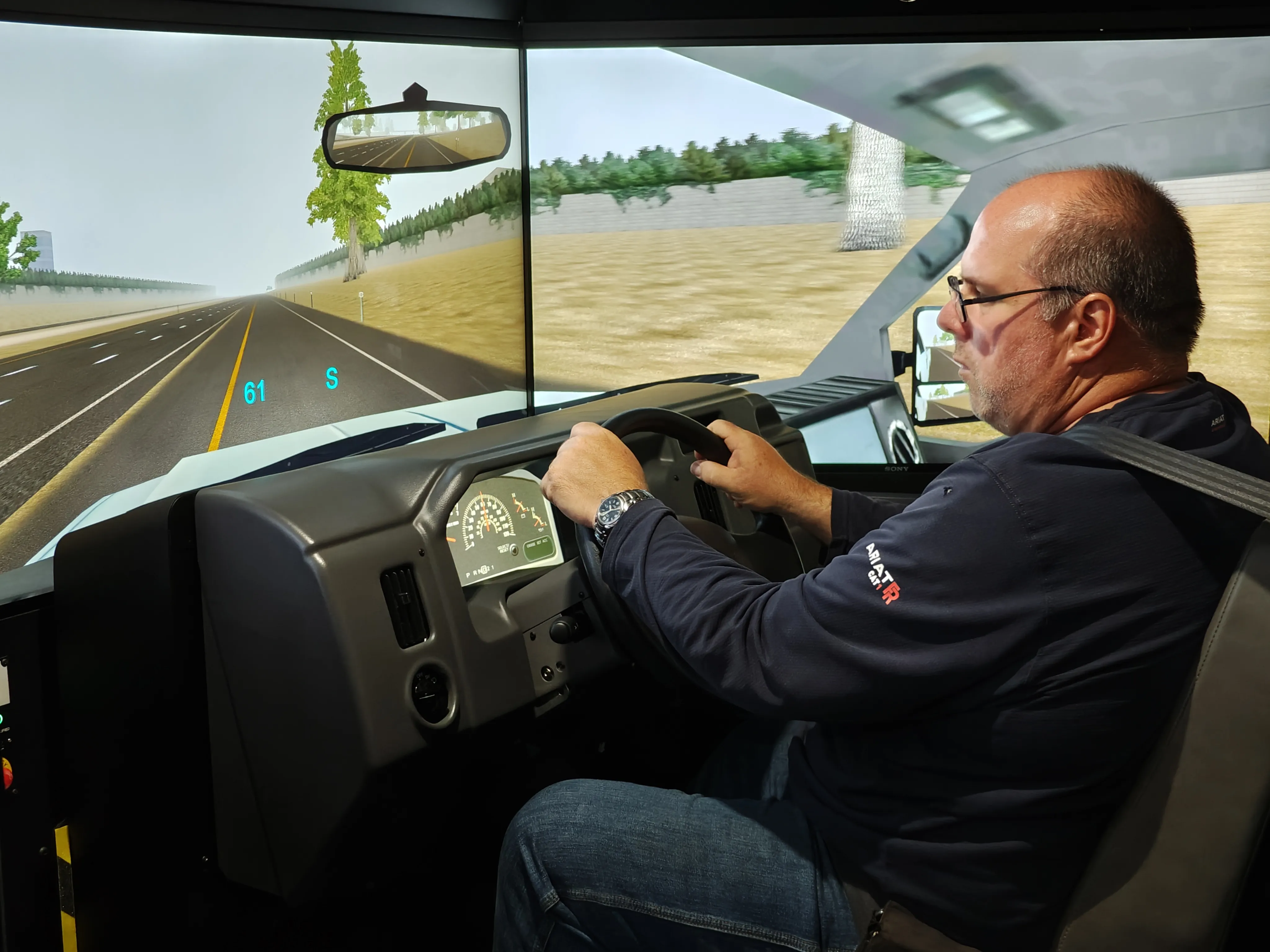
For organisations that want to strengthen driver judgment beyond a basic licence path, Training Wheelz USA brings instructor-led simulator training to the workplace. The controlled setting gives drivers a place to practise threat recognition, space management, adverse conditions, and emergency-response thinking without asking a real road to provide the lesson.
Bring practical safety training to your site.
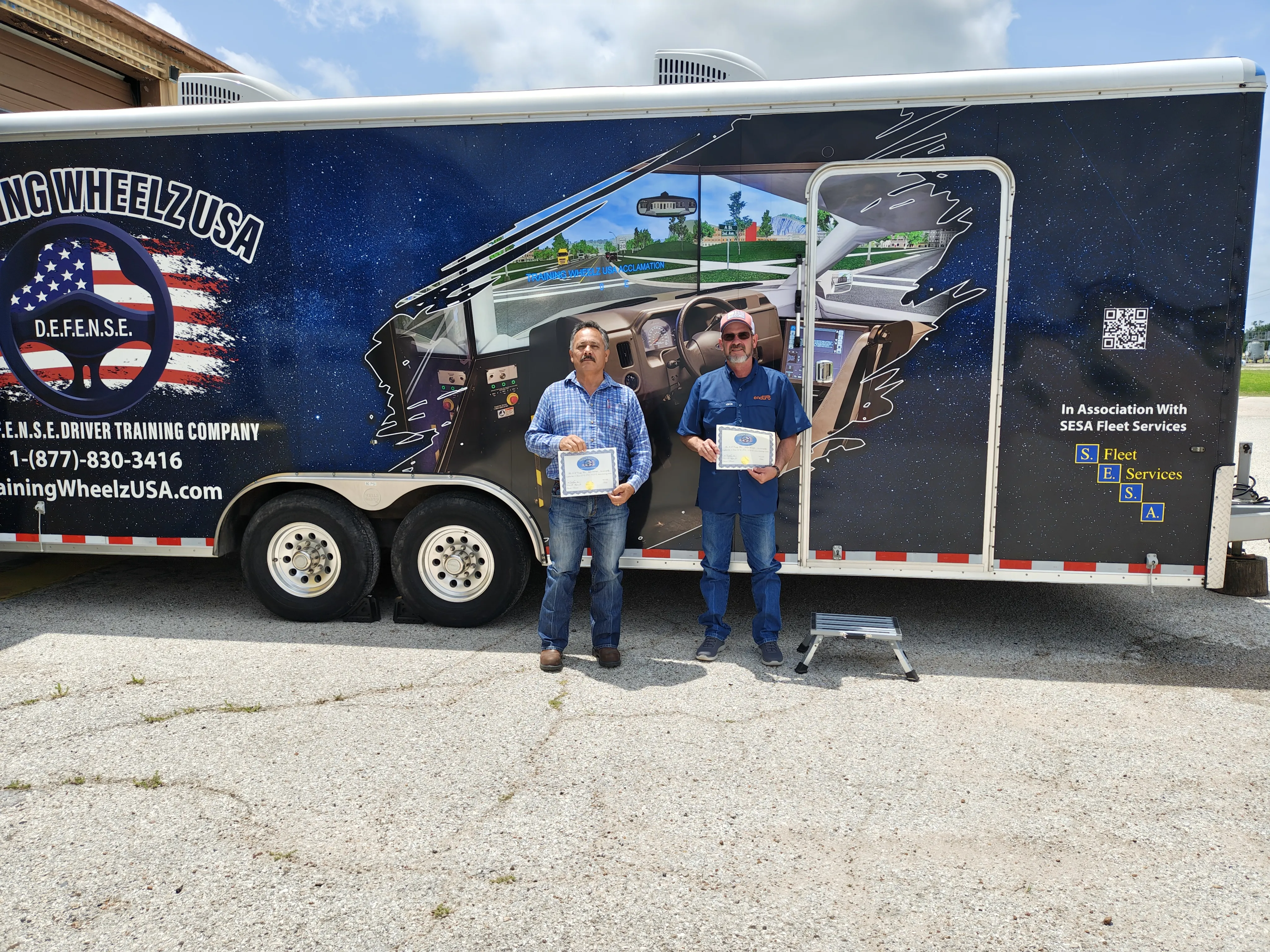
Training Wheelz USA delivers instructor-led driver and workplace safety training for organizations across The Woodlands and surrounding areas.
Request a Training Date →Frequently asked questions
Do I need training before I can get a CDL?
Many first-time Class A or Class B CDL applicants and certain endorsement applicants must complete Entry-Level Driver Training before testing. Check your state manual and FMCSA guidance for the requirements that apply to your goal.
What should truck driver training include?
Look for training that combines vehicle knowledge, inspection routines, safe control, backing, space management, hazard recognition, and practical evaluation. The exact content should match the type of commercial vehicle and work you plan to do.
Can simulator training replace behind-the-wheel training?
No. Simulator work is a useful controlled complement because it lets drivers practise judgement in challenging situations, while behind-the-wheel instruction remains essential for real vehicle control and road experience.
Related posts
Forklift Operator Certified Training: What It Requires
What forklift operator certified training includes, how workplace evaluation works, and when refresher training is needed.

Does OSHA 10 Expire? What Employers Need to Know
Does an OSHA 10 card expire? Learn what the federal program says, when a workplace may still require updated training, and how to plan responsibly.

How Long Is Forklift Certification Good For? The 3-Year Rule
How long is forklift certification good for? Understand OSHA's three-year evaluation rule, when refresher training is needed sooner, and what employers should document.