Teaching a teenager to drive can make even a confident adult feel like a new driver again. You are watching mirrors, traffic, speed, spacing, pedestrians, and your teen's reaction all at once. Your teen is trying to turn a long list of instructions into real decisions at the speed of the road.
The answer is not more yelling from the passenger seat. A safer plan is to make practice progressive, specific, and repeatable. Start where the pressure is low, add one skill at a time, and use every session to strengthen the habits that matter before a serious situation demands them.
Start with a plan, not the first available driveway
Before the first drive, decide what “ready for the next step” looks like. The National Highway Traffic Safety Administration's teen-driving guidance emphasizes the higher crash risk faced by new teen drivers and the value of parent involvement. That does not mean turning every ride into a lecture. It means giving practice a simple structure.
Pick one or two goals for each session. A first session might focus on seating position, mirror setup, signaling, and smooth starts and stops. A later session might focus on looking well ahead, leaving space, and making an early lane choice. Specific goals give you something useful to praise and something clear to work on next time.
Set a shared rule before the vehicle moves: the adult gives directions early and calmly, while the teen can ask for a repeat without embarrassment. If either person gets overloaded, pull over safely and reset. A driving lesson is not a test of nerves.
Begin with vehicle control where nothing is moving fast
A mostly empty parking lot or other permitted low-traffic area gives a new driver time to connect the controls with the movement of the vehicle. Begin with a parked-car walk-through. Review the dashboard, steering wheel adjustment, seat position, head restraint, mirrors, wipers, lights, turn signals, hazard lights, gear selector, parking brake, and backup camera if the vehicle has one.
Then practice the basic actions that make every later drive smoother: gradual acceleration, steady braking, looking where the car should go, reversing slowly, and turning without crossing hands in a rushed way. Keep the pace deliberately slow. The goal is not to “get through” the parking lot. It is to help your teen feel what smooth control requires.

New drivers often stare at the hood or the edge of the lane because that is where the immediate fear lives. Encourage them to look farther ahead. Their hands naturally follow their eyes, and a longer view gives them more time to make a calm correction. This is the beginning of scanning, a habit that will matter far more than memorizing a single maneuver.
Move through traffic in deliberate stages
Once the basic controls are steady, expand the environment one layer at a time. The Center for Injury Research and Prevention's Teen Driver Source recommends gradual, supervised practice as teens build experience. That progression keeps a new driver from being asked to manage too many new variables at once.
- Quiet residential streets: Practice stop signs, turns, speed control, pedestrians, parked cars, and looking through an intersection before entering it.
- Familiar main roads: Add lane position, changing lanes, traffic lights, following distance, and choosing a gap without rushing.
- Busier routes: Practice planning ahead, handling more traffic, and staying focused when another driver makes an unexpected choice.
- Night, rain, and highway driving: Add these only after daytime driving on familiar roads feels consistently calm and controlled.
Do not treat this as a race to the hardest setting. A teen who needs another three sessions on neighborhood streets is not behind. Repetition is how a driver frees up attention for the next decision. The same idea applies to turning, merging, parking, and lane changes: practice each skill until it feels predictable, then add the next variable.
Teach the habit of looking for trouble early
New drivers are often capable of steering and braking before they are skilled at recognizing a problem developing ahead. A driver who notices a slowing vehicle, a pedestrian near a crosswalk, a delivery truck blocking sightlines, or a car drifting toward their lane has more options than a driver who sees it late.
Make scanning a conversation. Ask, “What could change in the next few seconds?” or “Where is your safe space if that car pulls out?” Keep the question short, then let your teen answer. You are helping them move from following commands to reading the road for themselves.
Leave room for that reading. A practical following distance gives a novice more time to recognize brake lights and respond smoothly. Encourage your teen to maintain a cushion around the vehicle when traffic allows, rather than driving beside another vehicle for long stretches or closing quickly on the car ahead.

Distraction has to be part of the lesson, too. Before every drive, phones should be put away and any route should be set before the vehicle begins moving. The Centers for Disease Control and Prevention identifies teen drivers as a group at elevated crash risk, and distraction can make a new driver's limited attention even thinner. The practical answer is simple: remove the avoidable distractions before the drive starts.
Give feedback without turning the drive into a fight
How you teach matters as much as what you teach. Late commands, gasps, and constant corrections can make a teen freeze or look to you for every decision. Give directions early enough to act on them: “At the next light, we'll turn right,” is more useful than “Right turn, right turn” at the corner.
Use a short debrief after a safe stop or after the drive. Start with one thing your teen handled well. Then ask what felt difficult. Choose one improvement for the next session, such as checking mirrors before braking, slowing earlier for a turn, or leaving more space. Keep the review connected to an observable moment, not a general judgment about their driving.
It is also worth separating skill-building from route pressure. If your teen needs to get somewhere on time, that is not the best day to attempt a first highway merge or a first drive in heavy rain. Practice difficult skills when both of you can give them your full attention.
Use a simple practice log to make progress visible
A short written record can reduce the “I thought we already did that” argument that happens in many family driving lessons. It does not need to be formal. After each drive, note the date, weather, type of road, approximate time behind the wheel, two skills practiced, one strength, and one next step. The log becomes a useful reminder of what your teen has actually practiced, not just what you meant to practice.
It also helps you spot gaps. A teen may have plenty of daytime experience but almost no practice in rain, at dusk, around cyclists, or on routes where traffic changes speed. The point is not to check off conditions as quickly as possible. It is to make sure that comfort on a familiar daytime route is not being mistaken for readiness in every setting.
Use the log to plan the next session before the previous lesson fades from memory. If your teen had trouble judging a turn, the next drive can include a few calm repetitions of slowing early, looking through the turn, and accelerating only after the vehicle is settled. If they did well with lane changes, keep that skill in the mix while adding one new challenge. Small, clear goals make progress feel earned.
Practice parking and low-speed decisions on purpose
Parking lots can look easy because speeds are low, but they ask a new driver to watch people walking, vehicles backing out, shopping carts, lane markings, and tight spaces at the same time. Treat parking as a real skill rather than the last five minutes of a drive. Pick a quiet time and practice pulling into an empty space, reversing out slowly, backing into a space, and recognizing when it is wiser to stop and reset.
Teach your teen to pause before moving in reverse. Look behind the vehicle, use mirrors and cameras as aids rather than replacements for looking, and move slowly enough to stop if a person or vehicle appears. When another driver is waiting, the pressure can make a novice rush. Remind your teen that taking a few extra seconds is better than forcing a maneuver because someone else is impatient.
As these routines become familiar, let your teen narrate the plan before acting: “I am going to pull forward, center the car, straighten the wheel, and check around me before backing out.” Saying the sequence out loud can slow down a rushed decision and show you whether they are seeing the same risks you see.
Practice hard scenarios without creating new risk
Some driving situations need explanation and rehearsal, but should never be staged on public roads. A sudden tire failure, a skid, a vehicle leaving the pavement, a fast-closing hazard, or a poor decision by another driver can happen in real life without warning. The safest time to talk through a response is before that moment arrives.
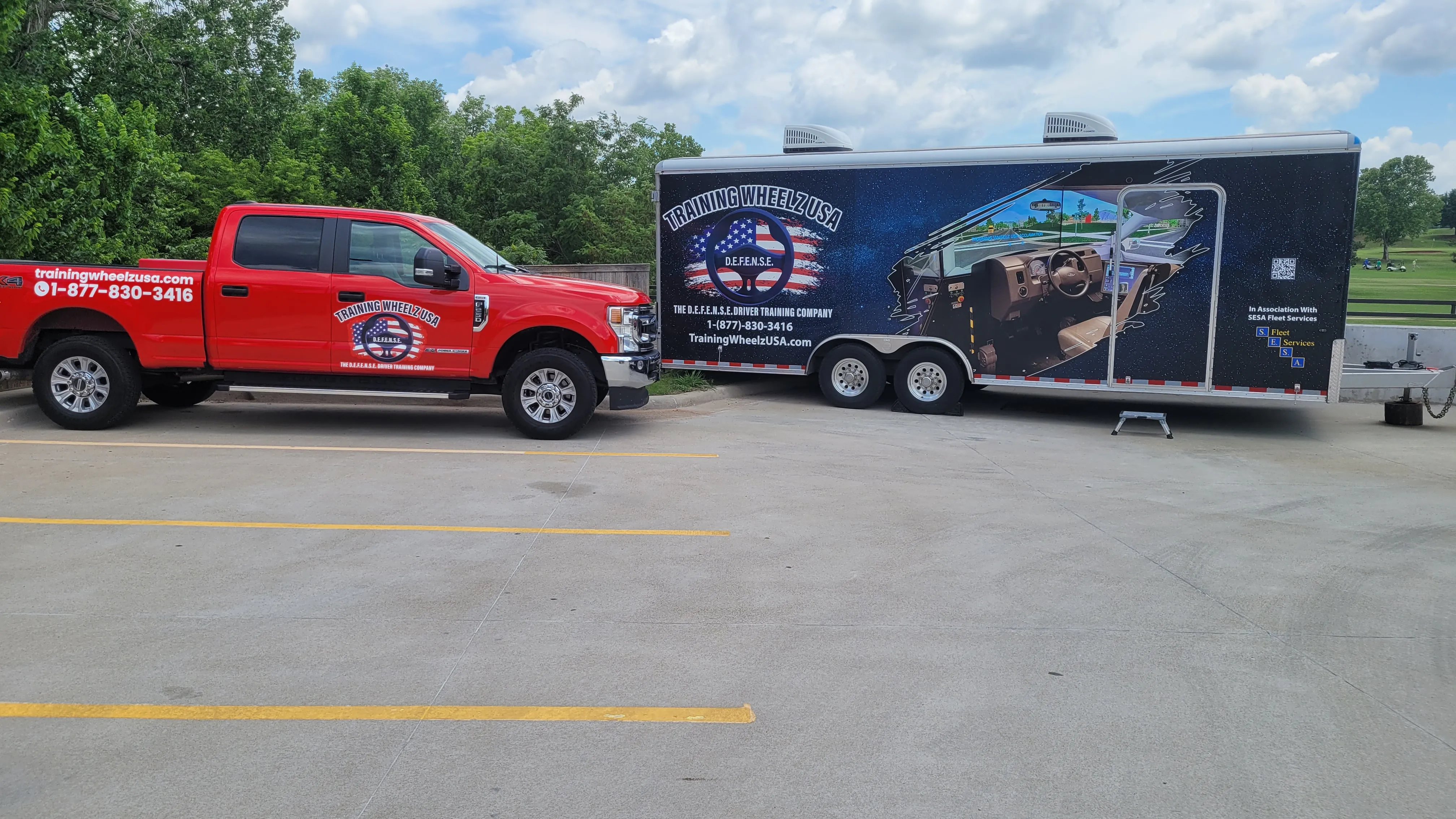
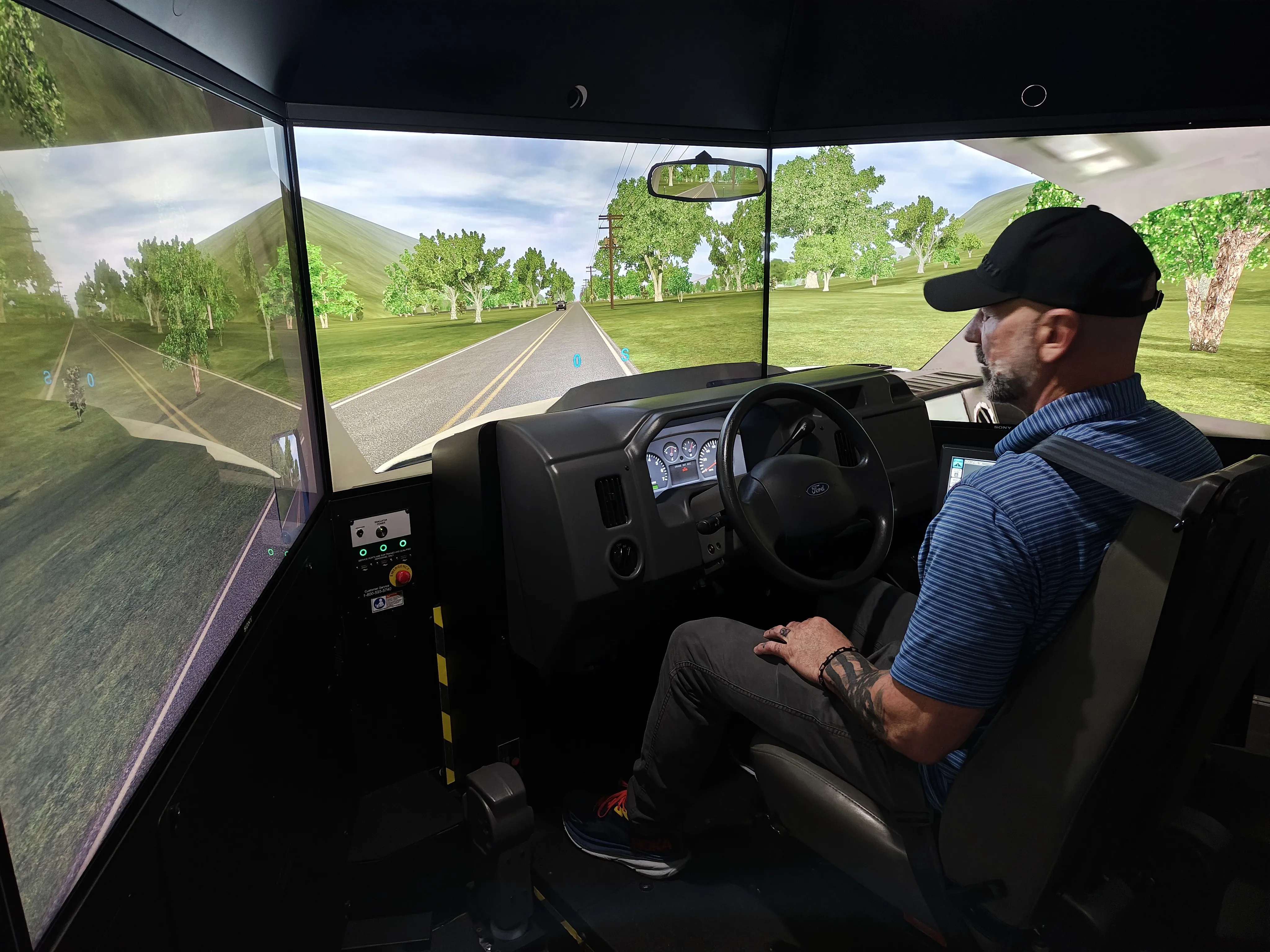
At home, discuss the basic principle of staying calm, looking toward a safe path, and avoiding abrupt reactions. Then use a course, instructor, or controlled learning environment for the practical work. That is where Training Wheelz USA's 4 Hour D.E.F.E.N.S.E. Course can support families and schools. It gives teen and adult drivers instructor-led simulator practice around hazards such as space management, distracted-driving prevention, skid control, blowouts, wheel drop-offs, fatigue, and adverse conditions.

Simulator training is not a substitute for supervised time behind the wheel. It is a way to add focused repetitions that real roads cannot safely provide on demand. Families and schools can also review how on-site training works and the broader training course options before choosing what fits their group.
Know when your teen is ready for more freedom
Readiness is more than the ability to pass a single maneuver. Look for consistency. Can your teen keep their eyes moving, maintain a safe following distance, follow directions without panic, and recover from a small mistake without losing focus? Can they explain what they see developing ahead?
Keep the learning agreement active after a license is issued. Set clear expectations for seat belts, phones, passengers, weather, nighttime driving, and when to call for help. Graduated licensing rules differ by state, so families should also check current local requirements before adding passengers or expanding independent driving.
A teen does not need to be fearless to become a safer driver. They need practice that turns “What do I do now?” into a calmer next choice. Start small, practice often, and build complexity only as their attention and judgment catch up with the road.
Give your teen driver a controlled place to practice the moments that matter.
Training Wheelz USA brings instructor-led simulator training to schools, organizations, and customer locations across The Woodlands and surrounding areas.
Request a Training Date →Frequently asked questions
How often should I practice driving with my teenager?
Short, frequent sessions are usually more useful than rare marathon drives. Practice often enough for your teen to repeat one skill, reflect on it, and return to it with a fresh focus.
What should I teach first when my teen starts driving?
Start with the vehicle, basic controls, smooth steering and braking, mirrors, scanning, and simple low-speed decisions in a low-pressure setting. Add traffic complexity only after those foundations feel reliable.
How can I stay calm while teaching my teen to drive?
Choose one or two goals for each drive, give directions early, and save detailed feedback for a safe stop. A calm adult helps a teen notice and solve problems instead of simply reacting to stress.
Can a driving simulator help a new teen driver?
A simulator can give a new driver a controlled place to practice hazard recognition and responses to situations that should not be deliberately recreated on public roads. It works best alongside real supervised driving, not as a replacement for it.