
A parent-teen driving contract is not about catching a new driver doing something wrong. It is a calm way to agree on the rules before a late pickup, a ride with friends, or a difficult drive turns into an argument. The best contracts make the next safe choice obvious, even when no parent is in the passenger seat.
Use this guide to build an agreement your family will actually revisit. It covers the rules worth setting, how to make consequences predictable, and how to adjust the plan as your teen earns experience. State licensing rules still apply, so check your local requirements before finalizing the details.
Start with the purpose, not a list of punishments
New drivers need clear boundaries because driving adds consequences that are much larger than a typical household disagreement. A parent-teen driving contract gives both people a shared reference point. Instead of debating every situation from scratch, you can come back to the same expectations about passengers, phones, nighttime driving, weather, and checking in.
Keep the opening statement short. It can say that driving is a privilege that grows with demonstrated judgment, and that both the parent and teen have a role in making practice and independent driving safer. The parent commits to calm coaching, reasonable access to supervised practice, and listening to concerns. The teen commits to following the rules, speaking up when a trip feels unsafe, and accepting that a ride can wait.
That balance matters. A contract that reads like a one-way threat invites workarounds. A contract that treats the teen as a developing driver creates room for honest conversations, including the most useful sentence a new driver can say: "I do not feel comfortable driving in this situation."
Build rules around the situations that change risk
Good driving rules are specific enough to guide a real decision. "Be careful" is not a rule a teenager can use at 10:30 p.m. when friends want a ride home. "No non-family passengers for the first six months unless a parent approves the trip" is easier to understand and follow. Your exact rule should respect your state's graduated licensing requirements, which may already limit late-night driving and young passengers.
The Centers for Disease Control and Prevention's teen-driver guidance identifies several risk factors families can address directly: inexperience, teen passengers, nighttime driving, not wearing a seat belt, distraction, and alcohol or drug use. Those are the right categories for a contract because they are not vague character tests. They are driving conditions that can be planned for.
Consider writing a rule for each high-risk situation: every person buckles up before the vehicle moves; the phone is silenced and put away before the trip begins; no driving after using alcohol, cannabis, or any impairing substance; no rides with an impaired driver; and no pressure to keep driving when a teen is tired, upset, ill, or unsure about the route. Include a standing promise that your teen can call for a safe ride home without an argument in the moment. The conversation can happen later, when everyone is safe.
Set a phone rule that works before the car moves
The phone rule needs to be decided before the ignition is on. A new driver cannot reliably manage notifications, directions, music, and a busy road at the same time. The National Highway Traffic Safety Administration explains that texting takes visual, manual, and cognitive attention away from driving. For a beginner, even a short glance can turn a manageable situation into a late brake, missed sign, or rushed lane change.
A simple contract rule is: set navigation, music, and messages before leaving; then place the phone where it cannot be reached while driving. If the trip changes, pull over somewhere legal and safe before using the phone. A passenger can handle navigation only if that person will not distract the driver. Hands-free does not automatically mean distraction-free, especially for a teen who is still learning to scan and judge traffic.
Parents should model the same rule. A contract loses credibility when the adult sends a "just answer me" message while expecting the teen to ignore every notification. The point is not to create perfect behavior. It is to make the safer default the easiest default.
Use passengers, nighttime, and weather as earned privileges
The driving task gets harder when visibility, fatigue, social pressure, or road complexity increase. Passenger limits, nighttime limits, and weather rules should reflect that reality. They are temporary guardrails while experience catches up to the driver's confidence.
The Insurance Institute for Highway Safety notes that crash risk is particularly high during the first months of independent driving and rises when teens carry other teenagers. A useful contract can start with no teen passengers, a parent-approved curfew that leaves room for local rules, and a clear weather threshold such as no independent driving in heavy rain, flooding, ice, or reduced visibility until the teen has practiced those conditions with an adult.
Treat these privileges as stages rather than permanent restrictions. For example, a teen might earn one approved passenger after a set period of incident-free driving and practice, then revisit nighttime driving after completing several supervised evening trips. The agreement should say what "earning more freedom" looks like: consistent seat belt use, no phone violations, respectful check-ins, steady vehicle control, and good decisions when plans change.

Make check-ins useful, not controlling
A check-in rule should make help available, not make a teen hide a mistake. Decide what information is needed before a trip: destination, who is going, expected arrival time, return time, and a number to reach the teen. For longer drives or changing plans, agree on a simple update such as a text after parking.
Avoid turning every check-in into an interrogation. If a teen is late because traffic was heavy or they chose to wait out a storm, the safer decision deserves to be recognized. Ask what happened, what choice they made, and what they would do next time. This turns the contract into a coaching tool instead of a surveillance tool.
Put the emergency plan in writing. It should cover a flat tire, an unfamiliar route, a collision, a passenger behaving unsafely, and the moment a teen realizes they are too tired or distressed to drive. The rule can be plain: park safely, call a parent or designated adult, and wait. The car can stay overnight if that is the safest outcome.
Choose consequences you can enforce calmly
Consequences work best when they are immediate, proportional, and known ahead of time. A missed check-in may mean a shorter driving window for the next week. A phone violation may mean no independent driving for a set number of days plus a supervised practice session focused on attention and decision-making. Serious choices involving impairment, reckless driving, or dishonesty need a stronger response and may call for professional guidance.
Do not write consequences that neither parent plans to enforce. Huge, open-ended punishments often turn into bargaining and resentment. A short, predictable pause in driving access is clearer. The goal is to stop unsafe patterns early, then give the teen a defined way to rebuild trust.
Leave room for a distinction between a skill mistake and a judgment choice. Stalling a car, misjudging a parking space, or needing an extra turn is part of learning. Hiding a citation, racing a yellow light, or using a phone while moving is a decision that breaks the agreement. Your response should teach that difference without humiliating the learner.
Review the agreement as the driver gains experience
Set a review date before the first independent drive, then revisit the contract every one to three months. Bring a short practice log to the conversation. Discuss what has gone well, which situations still feel difficult, and whether a rule needs to be clarified. Add new supervised practice goals such as freeway merging, parallel parking, nighttime driving, or driving in steady rain.
The review is also the right time to look at the vehicle. Confirm that the teen knows how to adjust mirrors, check tire pressure, recognize dashboard warnings, find the registration and insurance information, and call for roadside help. A safer driver is not only someone who follows traffic laws. It is someone who can slow down, ask for help, and make a sensible plan when something unexpected happens.
Sign the contract together, then keep it somewhere both of you can find it. The signature is less important than the repeat conversation. Rules that are discussed, practiced, and revised are much more likely to guide behavior than rules handed over once and forgotten.
Practice hard decisions before a real road demands one
Some situations are too risky to use as a casual family lesson. A parent can coach the foundations through regular supervised driving, but it is not wise to manufacture a near miss, a sudden tire failure, or a loss-of-control situation just to see how a teen reacts. The National Safety Council's teen driving resources stress the importance of continuing parent involvement after licensing, which includes seeking better ways to practice the decisions that ordinary errands may not reveal.
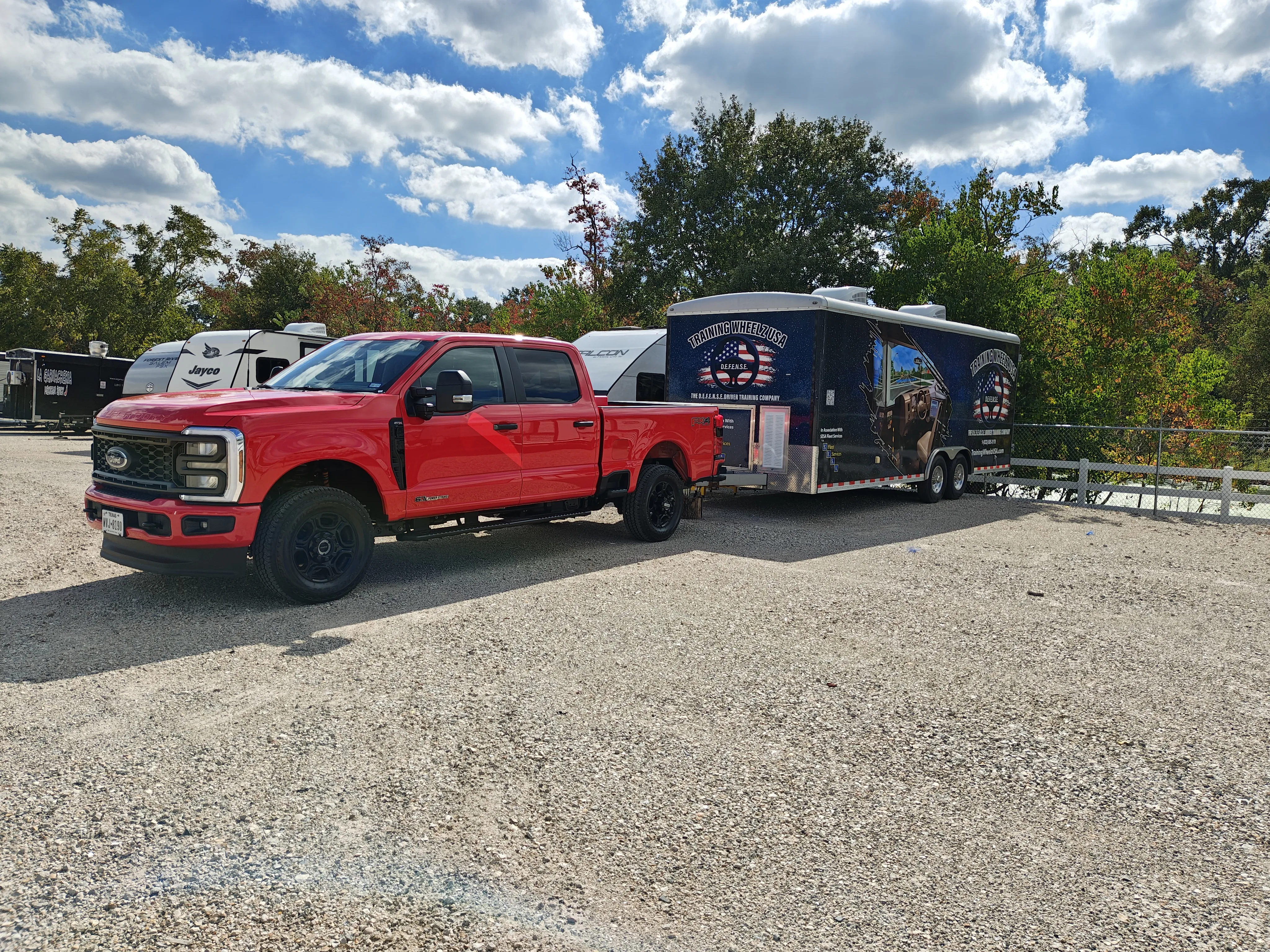
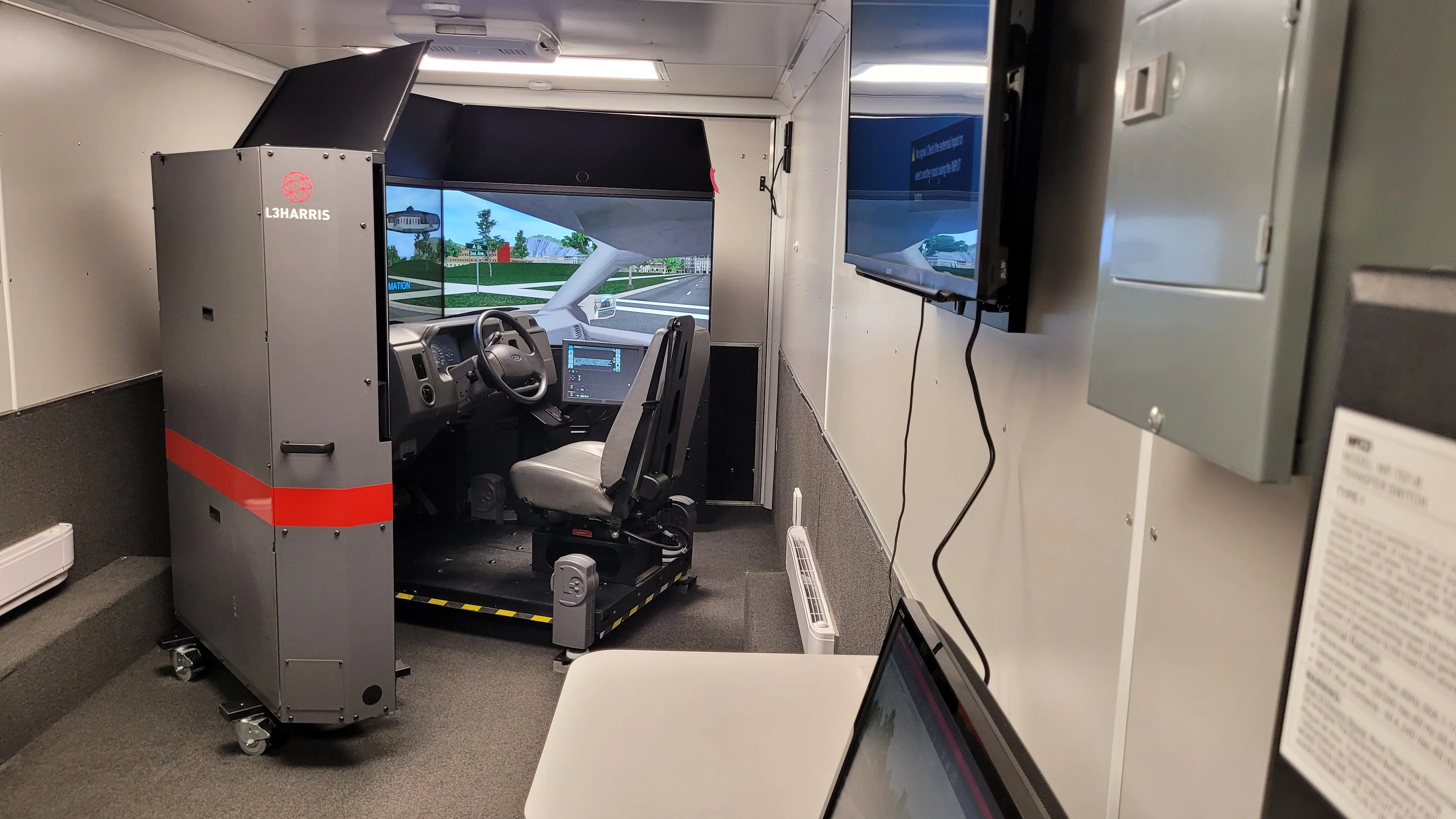
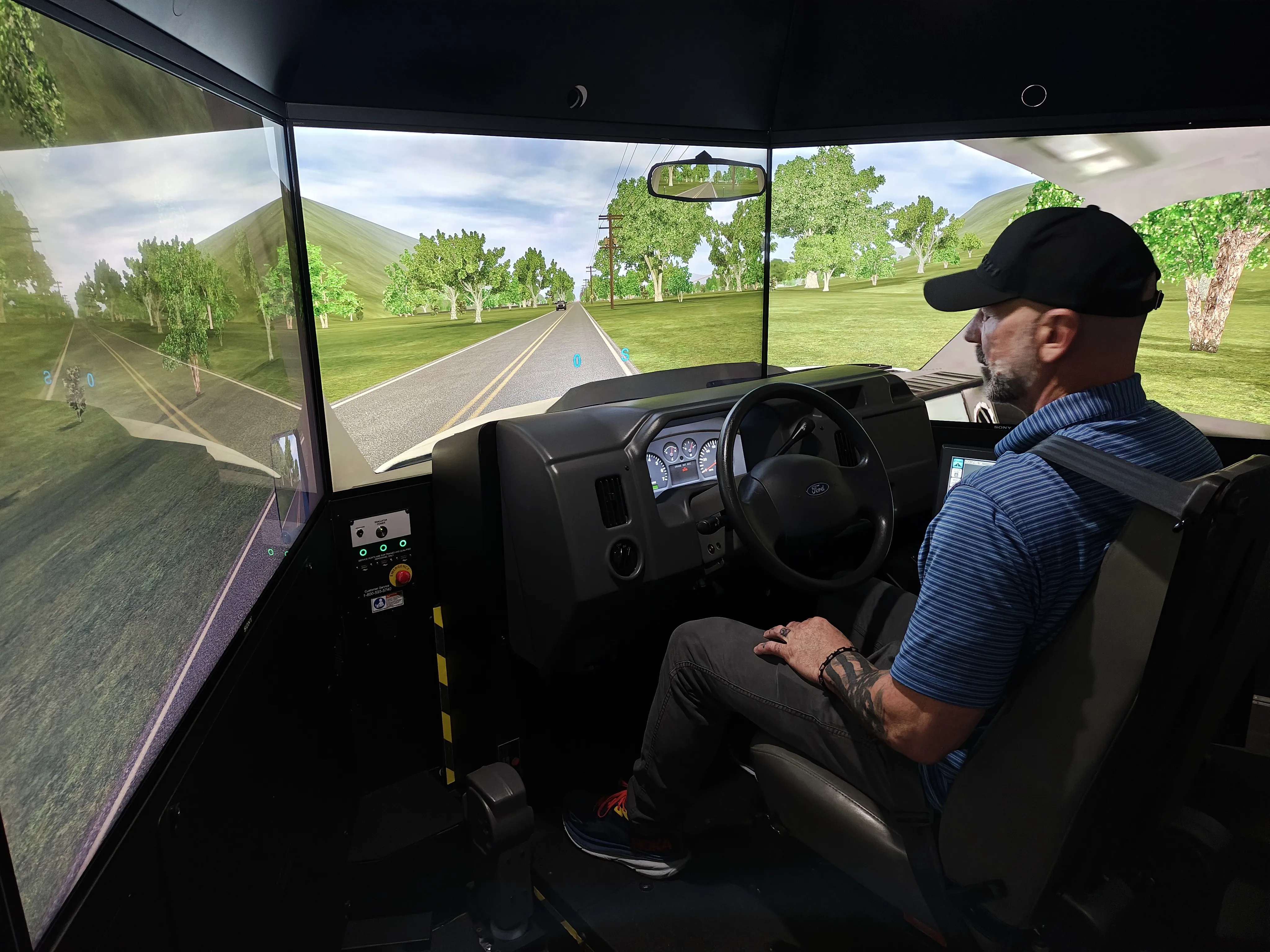
Training Wheelz USA gives teens and adult drivers an instructor-led place to work on hazard recognition, scanning, space management, adverse conditions, and recovery decisions in a controlled simulator. Families can use the 4 Hour D.E.F.E.N.S.E. Course to support the practice plan behind their agreement, then keep the contract focused on the daily choices a new driver controls.
A parent-teen driving contract cannot remove every risk. What it can do is make the safest response easier to name, easier to practice, and easier to choose before an ordinary drive becomes a hard lesson.
Bring practical safety training to your site.
Training Wheelz USA delivers instructor-led driver and workplace safety training for organizations across The Woodlands and surrounding areas.
Request a Training Date →Frequently asked questions
What should be included in a parent-teen driving contract?
Include rules for seat belts, phone use, passengers, nighttime driving, weather, alcohol and drugs, check-ins, vehicle care, and what happens after a rule is broken. Keep the agreement short enough to discuss and revise together.
Should a teen driver contract include a curfew?
Yes, when it fits your state's licensing rules and your family's schedule. A temporary curfew can reduce exposure to fatigue, poor visibility, and late-night social pressure while a teen is gaining experience.
How long should passenger restrictions last for a new teen driver?
Start with the restrictions required by your state, then consider a family rule that is at least as cautious during the first months of independent driving. Review the rule after your teen has shown consistent judgment and completed more supervised practice.
What happens if my teen needs a ride after breaking a rule?
Make it clear that they can always call for a safe ride. Address the rule violation later, after everyone is safe. This keeps a teen from driving impaired, riding with an unsafe driver, or making another risky choice to avoid getting in trouble.
Related posts
How to Teach Driving to a Teenager: A Safer Plan
A calm, practical plan for helping a teen driver build skills, confidence, and safer habits one step at a time.

Teenager Afraid to Drive? A Calm Parent's Plan
A practical plan for helping a teenager who is afraid to drive build confidence without pushing past what feels safe.
Truck Driver Training: What New Drivers Should Expect
A practical guide to truck driver training, CDL preparation, and building safer habits before the road gets demanding.