
When a teenager is afraid to drive, the instinct can be to give more encouragement, more advice, or more pressure. Usually, the better first move is to slow the situation down. Fear is information. It can point to a specific skill gap, a hard memory, a worry about making a mistake, or simply the fact that driving feels like a very big responsibility.
A nervous teen does not need to be talked into pretending they are ready. They need a steady plan that lets them build evidence that they can handle one small part of driving at a time. This guide helps parents separate ordinary nerves from a genuine roadblock, set up practice that feels manageable, and know when outside support would be useful.
Start by naming what feels hard
"I am scared to drive" can mean many different things. One teen may be comfortable moving around an empty parking lot but worry about traffic. Another may dread left turns, freeway entrances, rain, parking, or having a parent correct every move. Ask for the smallest useful detail: "Which part of the drive feels worst right now?" Then listen before trying to solve it.
Specific answers create specific practice. A teen who fears traffic may need short sessions that focus only on scanning and choosing a gap. A teen who fears making a mistake may need permission to pull over, take a breath, and reset. A teen who was shaken by a near miss may need a much slower return to driving. The goal is not to prove the fear is unreasonable. It is to identify the next skill that would make the situation feel less unknown.
The National Highway Traffic Safety Administration's teen-driving guidance encourages families to stay involved as a new driver gains experience. Start that involvement with curiosity. "What would make the next practice drive feel one step easier?" is more productive than "You have to get over it."
Keep normal nerves in proportion
Some nervousness is normal when a person is learning a skill that carries real responsibility. A new driver is tracking the vehicle, signs, mirrors, speed, space, other road users, and directions all at once. Feeling alert before a new challenge is not a failure. It can be a sign that the teen understands the task deserves attention.
The useful question is whether the fear eases after calm, repeated practice at an appropriate level. If a teen can try a short route, reflect on it, and gradually take on a little more, the learning process is moving in the right direction. Keep the practice plan simple and progressive so the driver has one main job for each session rather than a long list of corrections.
Do not make comparisons to siblings, friends, or the age printed on a learner permit. Readiness is built through judgment and repetition, not embarrassment. A teen who needs more time today may become a more thoughtful independent driver because they learned to notice limits and make a plan around them.
Make the first sessions almost boring
Confidence grows when the next task is challenging enough to teach something, but not so hard that the teen feels trapped. Begin in a large, empty lot or on a quiet route at a low-traffic time. Practice seat and mirror setup, smooth starts and stops, steering through wide turns, parking, and looking well ahead. End while the session is still going reasonably well.
A short, successful practice drive is more valuable than an exhausting hour that ends in tears or an argument. Ten to twenty focused minutes can be enough. Choose one skill, say what success looks like, give the teen time to repeat it, and talk afterward. For example: "Today we are only practicing smooth braking at the stop line. We are not adding busy intersections yet."
As that skill becomes familiar, change one condition at a time. Move from an empty lot to a quiet neighborhood, then to slightly busier streets, then to a familiar errand. This gradual approach gives the brain a chance to connect driving with successful experiences instead of a series of surprises.
Give calm directions before the decision point
A worried driver can become overloaded when directions arrive too late. "Turn here!" or "Watch out!" may be technically correct, but it can make the teen feel as though danger is always one second away. Give directions early and in plain language: "At the next light, we will turn right. Start checking the lane now."
Keep the feedback tied to an observable action. Instead of "You are driving too fast," try "Ease off the accelerator so we have more room before the curve." Instead of "You are not paying attention," try "Check the mirror before you move over." The teen can act on the second version. The first version mostly adds pressure.
It also helps to decide in advance who is responsible for navigation, music, and incoming messages. The CDC identifies distraction, nighttime driving, teen passengers, and inexperience as important risk factors for teen drivers. A practice session should reduce those extra demands. Put the phone away, leave friends out of early practice, and save unfamiliar night or weather conditions for a later stage.
Set up the passenger seat for coaching
The passenger seat can make a practice drive calmer or much harder. Before leaving, agree on how directions will be given. A useful rule is one voice, one instruction, and enough warning to act on it. The parent can say, "At the next intersection, we will turn left. Check your mirror, then start easing into the turn lane when it is safe." That gives the teen time to think, look, and move.
Save most feedback for after the car is parked. During the drive, focus on the information that keeps the teen safe: an upcoming turn, a changing traffic light, a pedestrian, or the need to slow down. A running commentary on every small mistake can make a nervous driver scan the parent's mood instead of the road. After the drive, choose one thing that went well and one skill to practice next time.
Parents should also be clear about when they will take over. If there is an immediate safety concern, be direct and calm: "Brake now," "Stay in this lane," or "Pull into that lot." In ordinary learning moments, allow enough space for the teen to make a safe correction. Confidence comes from doing the work, not from being rescued from every imperfect decision.
Prepare the car and route before practice begins
Much of driving anxiety shows up before the car moves. A simple pre-drive routine cuts down on last-minute surprises. Before every session, make sure the teen has adjusted the seat and mirrors, knows where the headlights, wipers, defroster, hazard lights, and parking brake are, and has their phone silenced and stored away. A driver who knows how the car works has one less unknown to manage.
Choose the route before the seat belt clicks. Look at where the practice will begin, how long it will last, where it can safely end, and what conditions might change the plan. A first attempt at a new skill should not include construction, a rushed appointment, a hungry passenger, or an unfamiliar destination. The Teen Driver Safety Statistics page is a useful reminder that the conditions around a drive can raise risk, which is why a calm plan matters.
Keep the car comfortable as well. Remove loose items, make sure there is enough fuel, and avoid starting when either person is tired, angry, or pressed for time. A teen who can say "today is not a good practice day" is learning a safe decision. Reschedule the session and return when both people can give it their attention.
Use a repeatable practice ladder
A written ladder makes progress easier to see. Put the easiest situations at the bottom and only move up after the teen has repeated the current level without feeling overwhelmed. The stages will vary by driver, but the principle is stable: practice a familiar skill, add one new condition, then repeat until it feels routine.
One family might use this order: empty parking lot; quiet residential streets; familiar daytime errands; busier intersections; a simple route with a parent giving early directions; a short freeway segment; supervised night driving; and then rain or other reduced-visibility conditions when the teen has built a solid base. The parent-teen driving contract can keep the same stages clear outside of practice, especially for passengers, phones, curfews, and check-ins.
Let the teen help choose the next step. They do not get to skip safe practice forever, but they should have a voice in the pace. A driver who says, "I can do neighborhood streets again, but I am not ready for the freeway," is showing useful self-awareness. The parent can acknowledge that boundary while keeping a plan to revisit it.
Track progress in a way the teen can see
Fear can make improvement hard to notice. A quick practice log turns vague memories into evidence. After each drive, write down the date, the setting, the one skill practiced, what felt easier, and the next step. Keep the notes brief. "Drove three quiet blocks, held a steady speed, practiced two right turns, wants to repeat before adding an intersection" is enough.
Use the log to look for patterns. Maybe the teen is comfortable with vehicle control but becomes tense when the parent gives instructions late. Maybe rain, parking lots, or unfamiliar roads trigger the concern. Patterns do not need to be judged. They tell you what to simplify, repeat, or save for later.
Share the record when reviewing driving rules and privileges. The family can use it alongside the parent-teen driving agreement to decide when a new challenge or bit of independence makes sense. This keeps progress tied to demonstrated habits, not arguments about whether the teen should "be over it" yet.
Teach a reset, not a perfect performance
Every new driver makes imperfect turns, brakes too soon, misses a driveway, or needs another attempt at parking. The important habit is not perfection. It is knowing how to recover safely. Teach the teen that a missed turn means continuing calmly to the next legal place to turn around, not cutting across lanes. A confusing sign means slowing down and deciding, not guessing.
Build a short reset routine: keep both hands steady, look ahead, breathe out, reduce speed when appropriate, and say what is needed. That might be "I need a quieter instruction," "I want to pull over after this block," or "Please tell me the next turn earlier." These are not excuses. They are communication tools that help a learner stay engaged instead of shutting down.
Parents need a reset too. If either person is too upset to coach or drive well, park safely and end the session. A pause protects the relationship and keeps a difficult lesson from becoming evidence that driving is always miserable. The next session can return to a known, manageable route.
Know when to bring in another kind of help
A parent can guide regular practice, but some situations need more support. Consider talking with a qualified health professional if fear leads to panic-like symptoms, the teen avoids ordinary activities because of driving worries, the anxiety stays intense despite gradual practice, or there has been a crash or traumatic event that continues to affect daily life. A professional can help the family understand what is going on without turning a driving lesson into a mental-health diagnosis.
A driving instructor can also change the dynamic. Some teens learn more easily when coaching comes from a neutral adult, especially if practice with a parent has become tense. Look for instruction that explains the reason behind a decision, gives the learner time to try again, and does not treat fear as a character flaw.
Getting help does not mean the teen has failed. It means the family is choosing the right tool for a real barrier. That is the same judgment parents want a young driver to use on the road: recognize when a situation needs a different plan.
Practice difficult decisions without adding real-world risk
Regular road practice is essential, but it cannot safely recreate every hard moment. It is not sensible to manufacture a sudden hazard, tire failure, skid, or loss-of-control event just to test a nervous driver's reaction. Those are exactly the moments where a learner benefits from instruction and repetition before the road supplies the consequence.
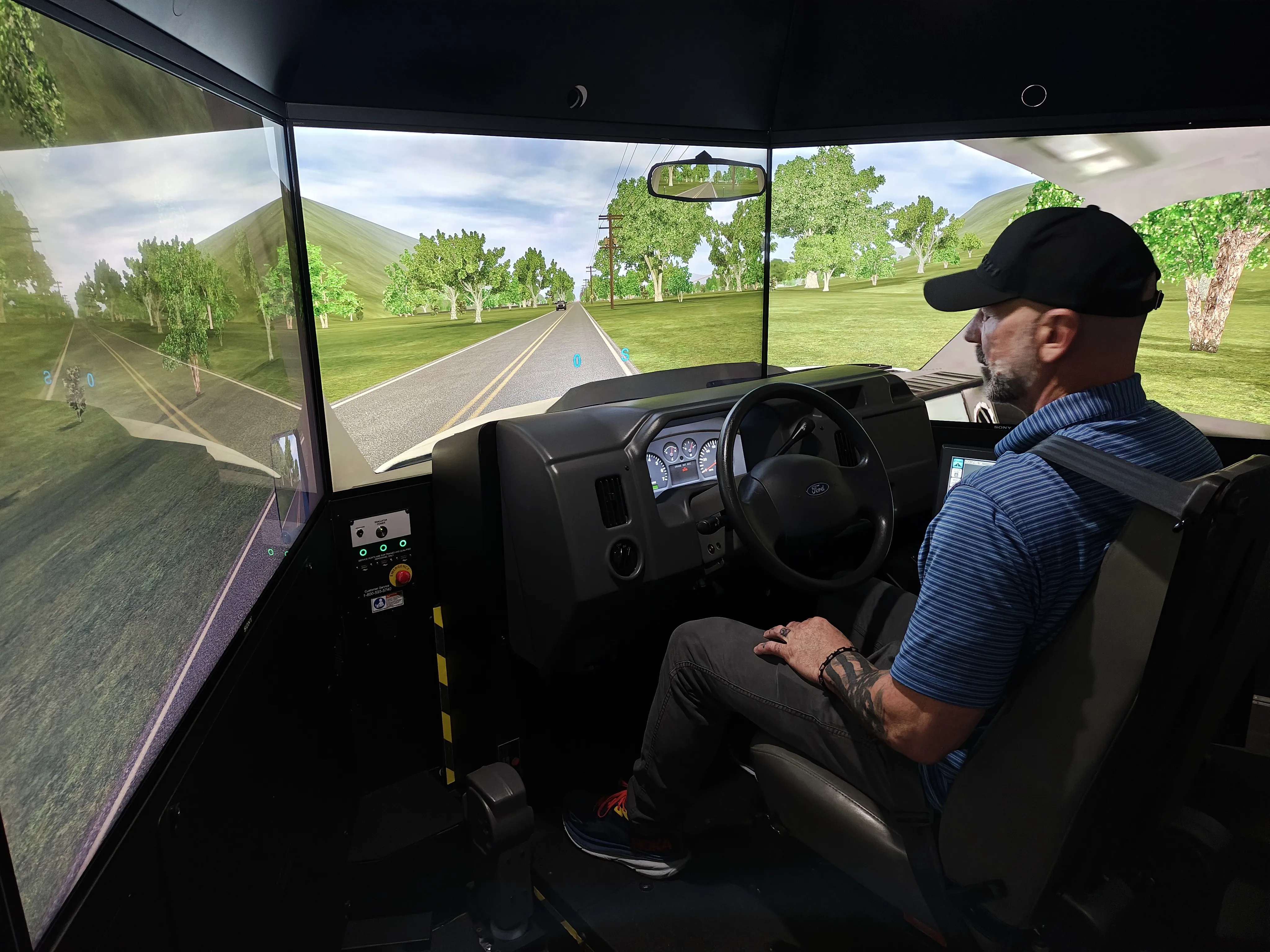
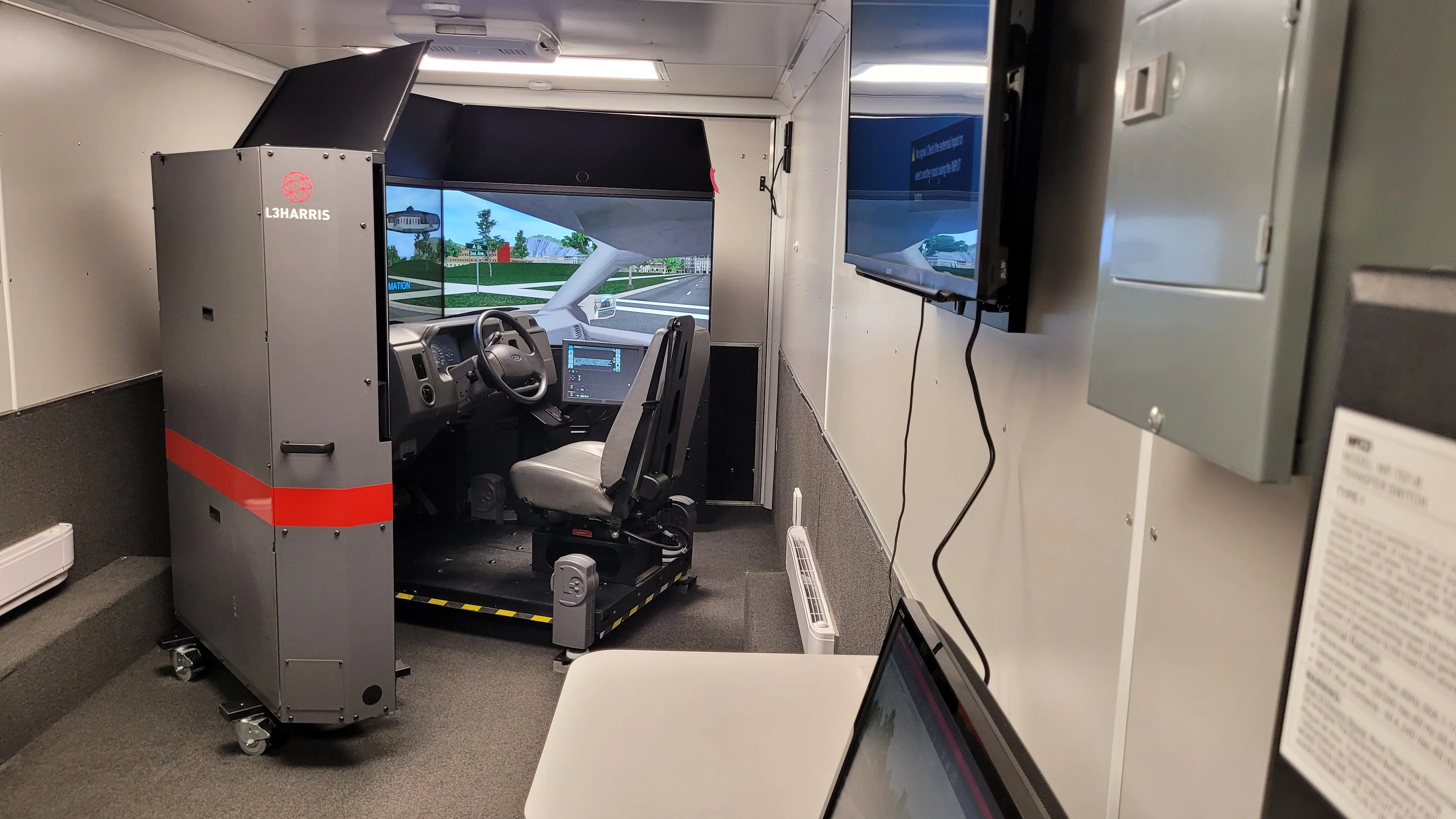
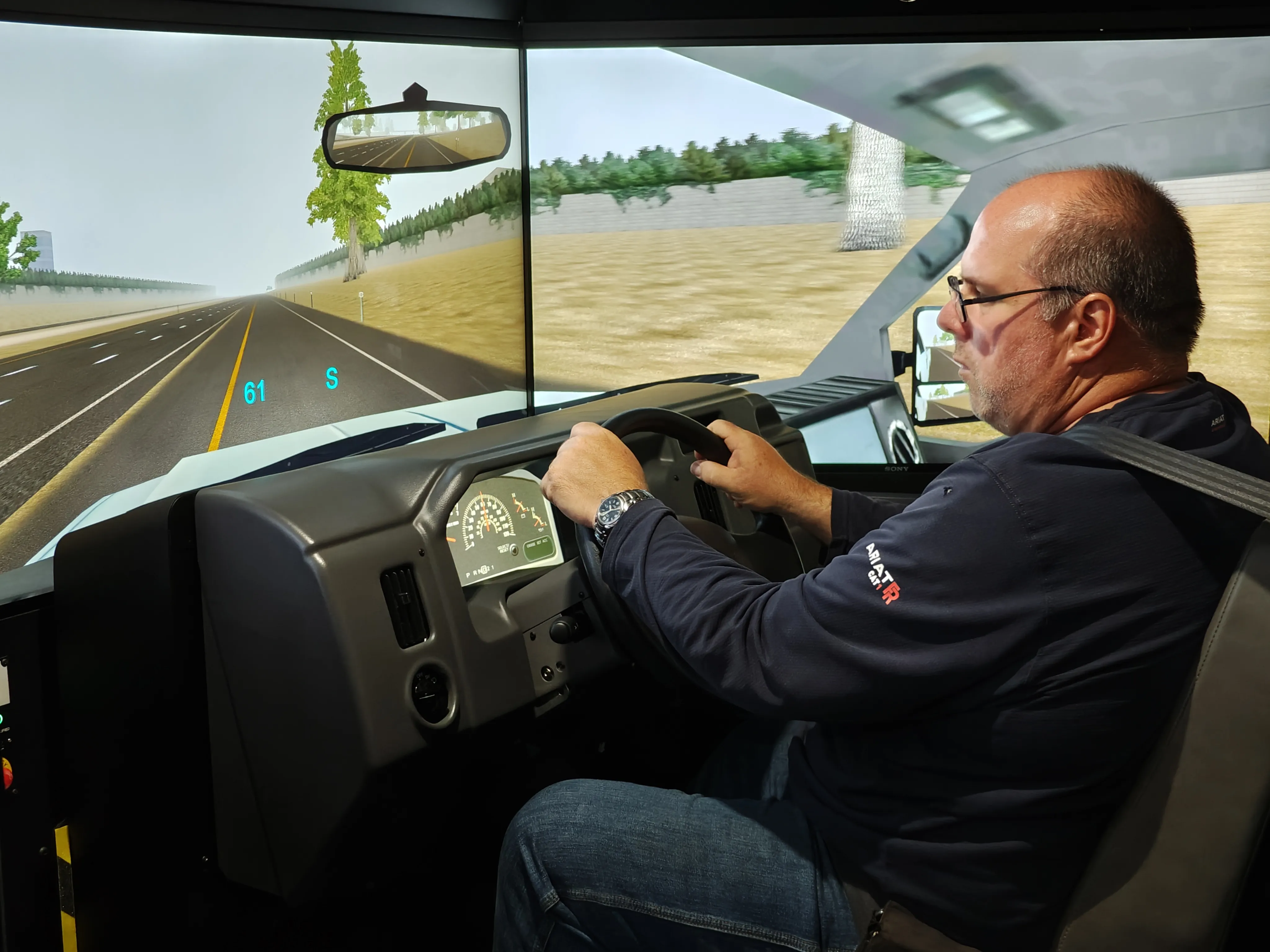
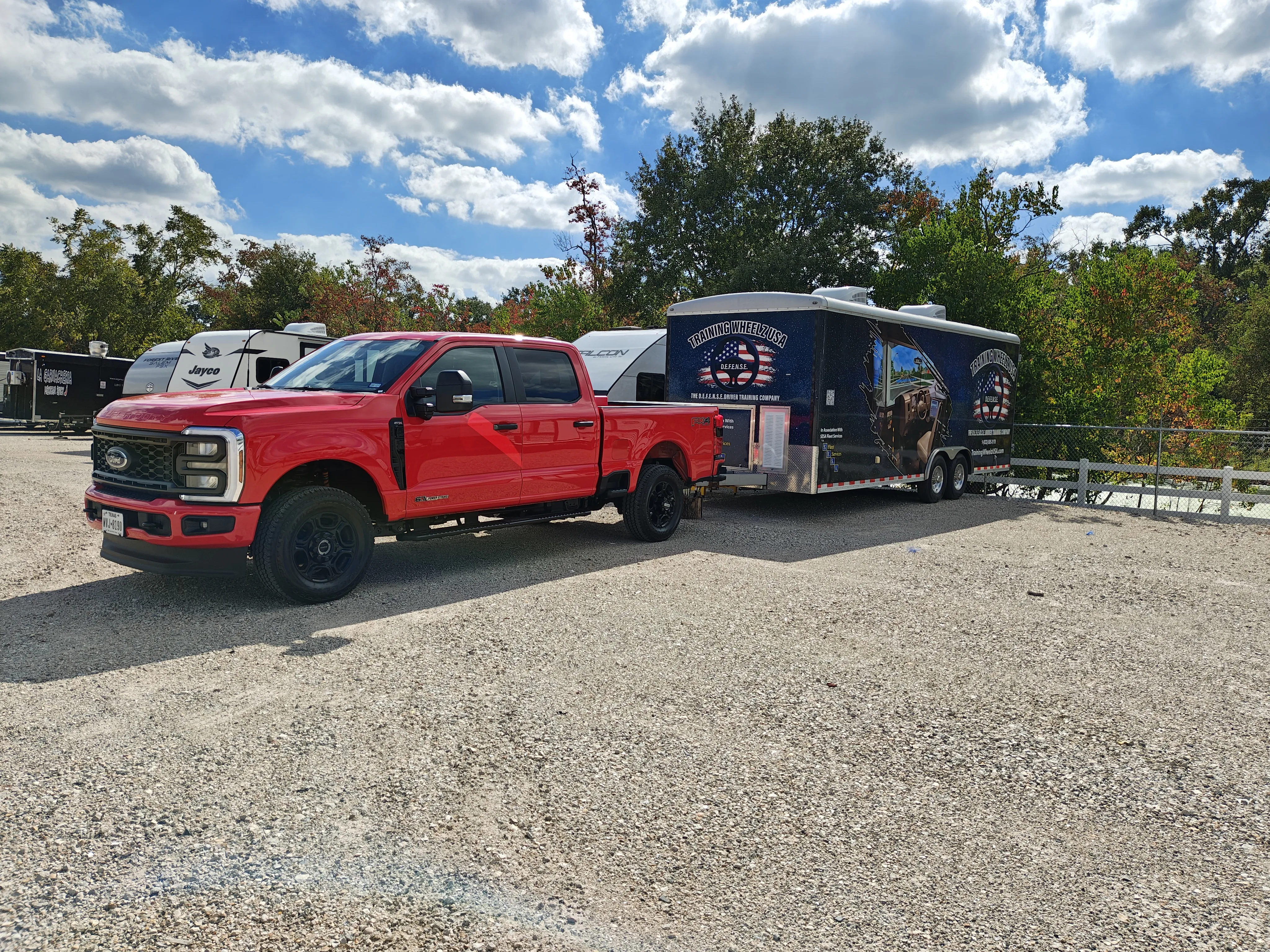
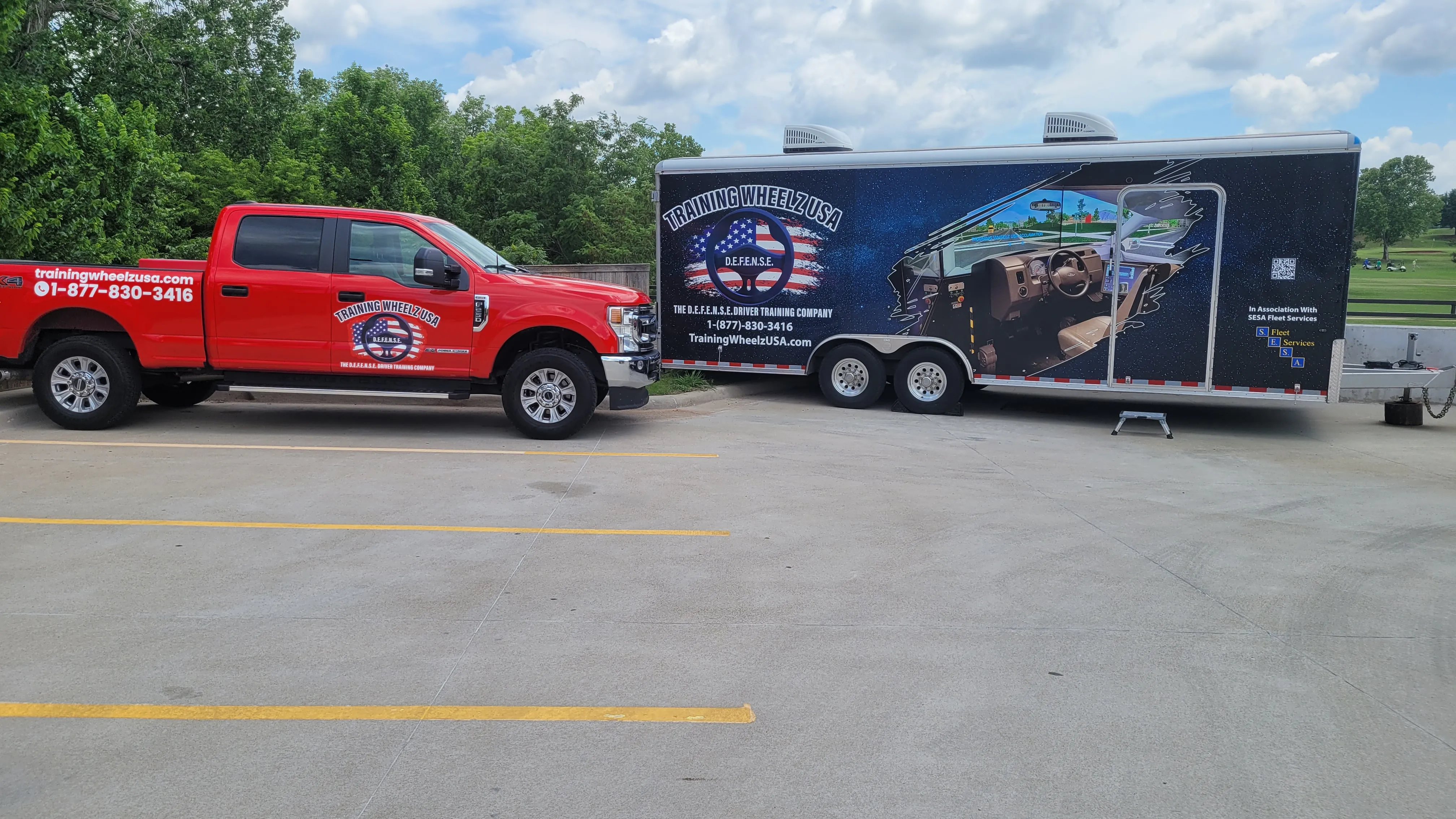
Training Wheelz USA's 4 Hour D.E.F.E.N.S.E. Course gives teen and adult drivers a controlled, instructor-led place to practice hazard recognition, scanning, space management, adverse conditions, and recovery decisions. Families can also see how the mobile training experience works before deciding whether it fits their teen's next stage.
A simulator is not a replacement for supervised road time. It is a useful complement when a teen needs more chances to think through difficult situations without adding pressure on a live road. For a teenager who is afraid to drive, that extra layer of practice can make the next real session feel less like a test and more like a manageable step.
Keep the goal in view
The goal is not to make a teenager love driving on a deadline. The goal is to help them become a driver who can recognize risk, make a calm decision, and choose not to drive when conditions exceed their skill or comfort. Those habits matter long after the first independent trip.
Progress may look quiet: a teen who asks to repeat a route, remembers to set up mirrors without being reminded, tells a parent they need earlier directions, or chooses to wait out heavy rain. Notice those decisions. They show that the driver is building judgment, not just logging miles.
Keep the plan visible, keep sessions short enough to succeed, and keep the conversation respectful. Confidence built this way is sturdier than confidence borrowed from pressure.
Bring practical safety training to your site.
Training Wheelz USA delivers instructor-led driver and workplace safety training for organizations across The Woodlands and surrounding areas.
Request a Training Date →Frequently asked questions
Is it normal for a teenager to be afraid to drive?
Yes. Some nerves are normal while a teen is learning a complex skill with real responsibility. The important question is whether calm, gradual practice helps the fear ease over time and whether the teen can keep taking manageable next steps.
Should I force my anxious teen to practice driving?
Do not force a teen into a situation that feels overwhelming. Keep a clear expectation that safe practice will continue, but begin with an easier setting, choose one skill at a time, and build up gradually. Pressure can make a teen avoid driving more, while a repeatable plan creates evidence that they can improve.
How can I help my teen feel more confident behind the wheel?
Use short practice sessions on familiar routes, give directions early, limit distractions, and praise specific safe decisions. Let the teen repeat a skill until it feels routine before adding busier roads, passengers, night driving, or difficult weather.
When should a teen with driving anxiety get professional help?
Consider qualified support when fear causes panic-like symptoms, keeps the teen from ordinary activities, remains intense after gradual practice, or follows a crash or other upsetting event. A health professional can address anxiety concerns, and a qualified driving instructor can provide neutral, skills-focused coaching.
Related posts
How to Teach Driving to a Teenager: A Safer Plan
A calm, practical plan for helping a teen driver build skills, confidence, and safer habits one step at a time.

Parent-Teen Driving Contract: Rules That Build Safer Habits
A practical parent-teen driving contract that sets fair rules, makes expectations clear, and helps safer habits stick.
Truck Driver Training: What New Drivers Should Expect
A practical guide to truck driver training, CDL preparation, and building safer habits before the road gets demanding.