MSHA Part 46 refresher training is not a box to check after a busy year. It is the time to bring experienced miners back to the changes, hazards, and decisions that matter at the mine they work in now. A useful program makes the eight required hours feel connected to the equipment, routes, tasks, and people employees will see on their next shift.
This guide helps surface mine operators and contractors understand the basic annual-refresher requirement, choose topics that fit their operation, schedule the training without losing sight of production, and keep records that are ready when they are needed. It is general information, not legal advice. When a requirement is unclear, confirm it with MSHA or a qualified safety professional who understands the operation.
Start by confirming that Part 46 fits the work
Part 46 applies to many surface mining operations, including sand, gravel, surface stone, surface clay, colloidal phosphate, surface limestone, and shell dredging. That scope matters because Part 46 and Part 48 are different training frameworks. A mine can have employees, contractors, work areas, or activities that make the answer less obvious than the material being produced.
Before booking a refresher, identify the mine type, the people who will be working there, and the tasks they perform. Ask whether each participant is a miner under the applicable rule, whether they are employed by the production operator or an independent contractor, and whether a separate site-specific hazard-awareness or task-training need is also present. A good annual refresher does not replace training triggered by a new task, new worksite, or an employee who is new to the operation.
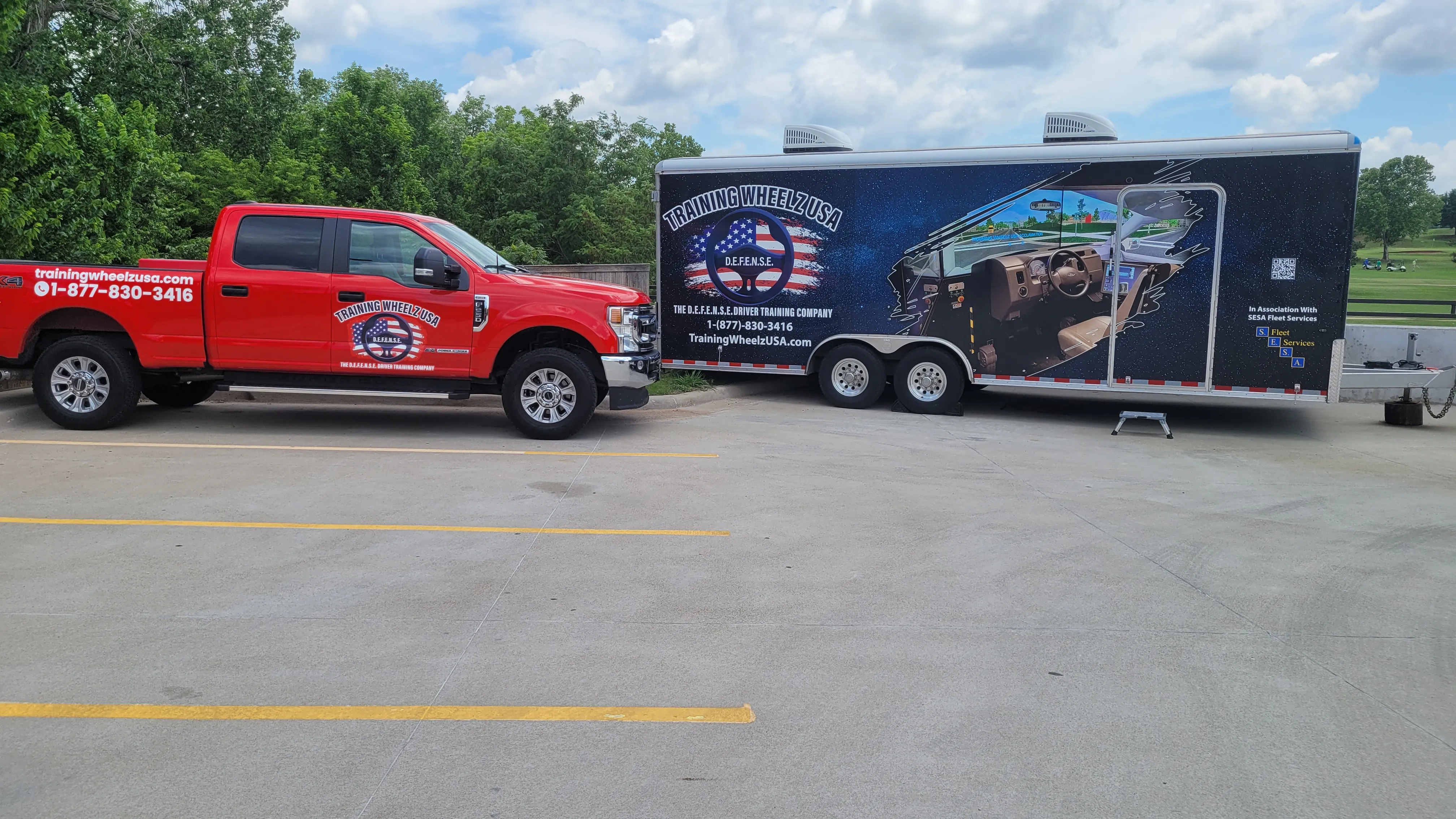
Training Wheelz USA offers MSHA new miner and refresher training for surface-only Parts 46 and 48 needs. A short planning conversation before the date helps separate the annual refresher from the other training conversations that may be needed, so the group is prepared for the work it will actually perform.
Know the annual refresher baseline
For miners covered by Part 46, annual refresher training is at least eight hours every 12 months. The MSHA Part 46 guidance explains that the training can be delivered as one eight-hour session or in smaller blocks, as long as the total reaches at least eight hours. The practical choice should support learning and scheduling, not simply make a calendar look tidy.
The timing is important. MSHA's guidance describes the refresher anniversary as tracked by the month: if a miner completed annual refresher training in February, the next refresher is due by the end of the following February. Build a simple calendar around each group's actual training month. That gives the team time to schedule an on-site session, account for shift coverage, and address a missed date before it becomes a scramble.
Eight hours is the floor, not a ready-made agenda. The required time needs to address changes at the mine that could adversely affect health or safety, along with other health and safety subjects relevant to the operation. The strongest plan begins with those real changes, then fills the remaining time with the hazards and work decisions that deserve a fresh conversation.
Build the agenda around what changed at the mine
Start the planning meeting with a direct question: what is different since this group last completed refresher training? That may include new mobile equipment, altered traffic routes, a changed pit or plant area, a different stockpile arrangement, new contractors, revised lockout procedures, updated emergency contacts, a new chemical, or a shift in the work sequence. The answer should shape the agenda, not get mentioned as an afterthought.
Use the people closest to the work. Supervisors, maintenance leads, equipment operators, safety staff, and experienced miners can point out the places where a routine task has become more complicated or where shortcuts are starting to appear. Review near misses, recurring equipment damage, changes in weather exposure, pedestrian conflicts, and any job where a person has had to stop and ask for help. A pattern is usually more useful than a generic slide deck.
The MSHA annual-refresher guide notes that the training plan should identify the subjects to be covered and the approximate time for each. Put that detail into the plan before the session. It creates a clearer expectation for the group and gives the operator a useful record of why each topic belongs there.
Choose subjects that match the actual hazards
Part 46 gives operators flexibility because no two mines have the same hazards. That flexibility works only when the program is tied to real work. A haul-road discussion should deal with the visibility, grades, intersections, radio practices, and separation rules at the mine, not just generic driving advice. A processing-plant conversation should reflect the guards, energy sources, walkways, dust, noise, and maintenance routines employees encounter.
Useful subjects often include hazard recognition, emergency procedures, first aid, electrical hazards, explosives where applicable, ground conditions, fall prevention, mobile-equipment interaction, confined spaces, hazard communication, and task-specific risks. The right list is not the longest list. It is the list that helps a miner notice a problem earlier and make a better decision before an incident develops.
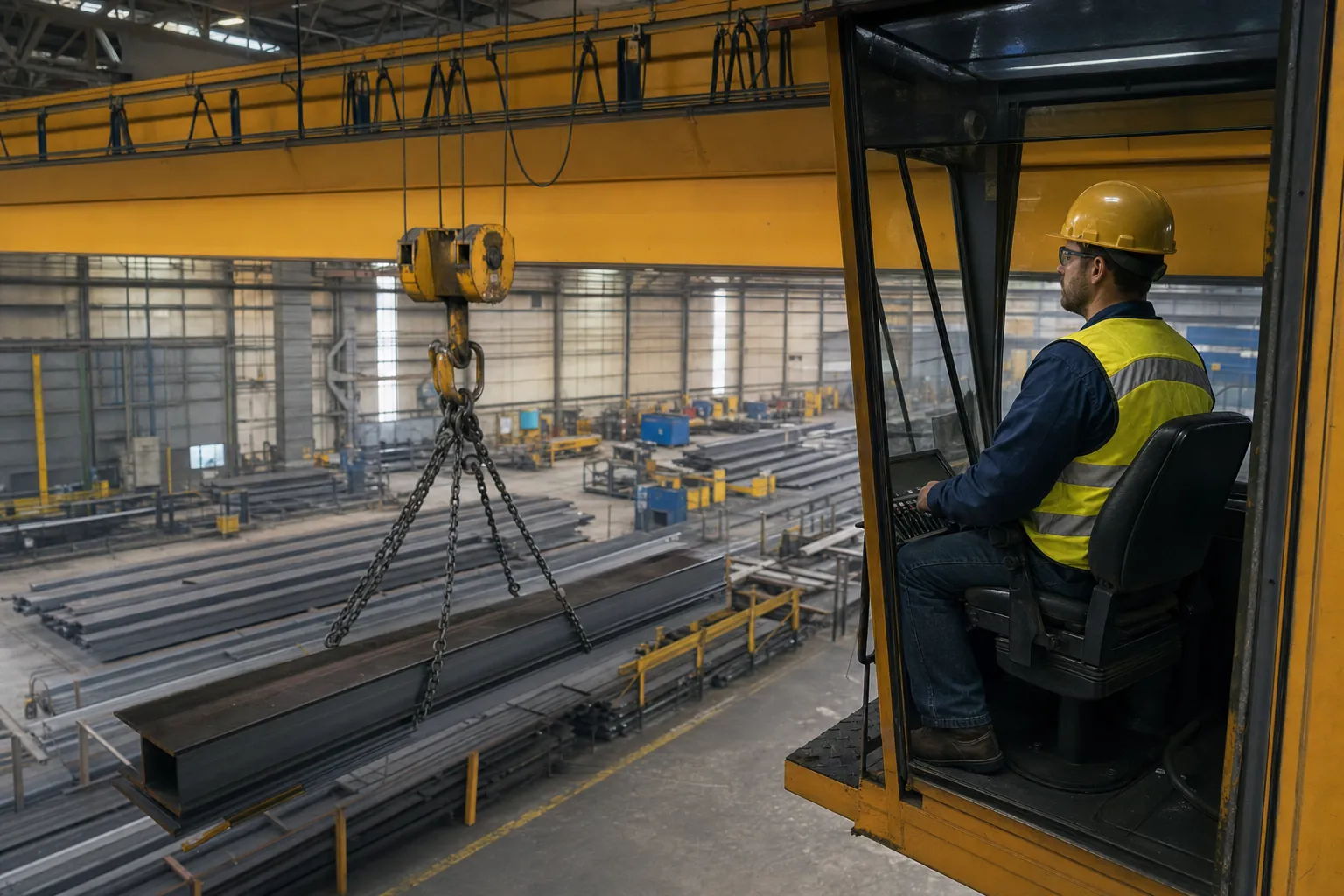
If the operation uses forklifts, overhead lifting, or other equipment outside the mine's primary production process, make the boundaries clear. Forklift operator training and overhead crane and rigger training address different equipment and work patterns. A refresher can reinforce the site's expectations, but it should not pretend that one general session replaces the task-specific training and evaluation those assignments require.

Make the session practical enough to remember
Adults retain more when training is connected to a decision they have actually had to make. Instead of asking a group to memorize a rule in isolation, work through a familiar scenario: a loaded truck approaching a blind intersection, a pedestrian entering a work area, a damaged berm, a blocked walkway, a piece of equipment that does not sound right, or a task that changed after the shift began. Ask what they would notice first, who they would tell, and when they would stop the work.
Mix discussion with observation, demonstrations, site walks, and short problem-solving exercises where they fit the subject. The goal is not theatrics. It is to give miners a chance to name the conditions they face and rehearse a useful response. When a new procedure is involved, show the actual procedure, location, equipment, or document that will govern the work after training ends.
Keep supervisors in the room for the topics that require their support. Employees can be told to use a designated route or stop for an unsafe condition, but that message holds up only when supervisors protect the time, equipment condition, and communication needed to do it. Refresher training works best when the work system makes the safe action workable.
Plan the delivery around normal work, not an afterthought
Annual training has to fit the operating reality, but production pressure should not turn it into a rushed conversation at the end of an already long day. MSHA's Part 46 guidance explains that training is conducted during normal working hours and miners should be paid at the rate they would have received for normal work. Schedule with enough coverage that attendees can focus, ask questions, and take a pause when the subject needs more discussion.
For some teams, a single planned eight-hour day is the clearest option. For others, smaller documented blocks may work better around shifts and seasonal demands. If the program is divided, assign each block a topic, duration, instructor or competent person, attendee list, and completion target. That prevents a series of useful safety talks from becoming an undocumented collection that never adds up cleanly.
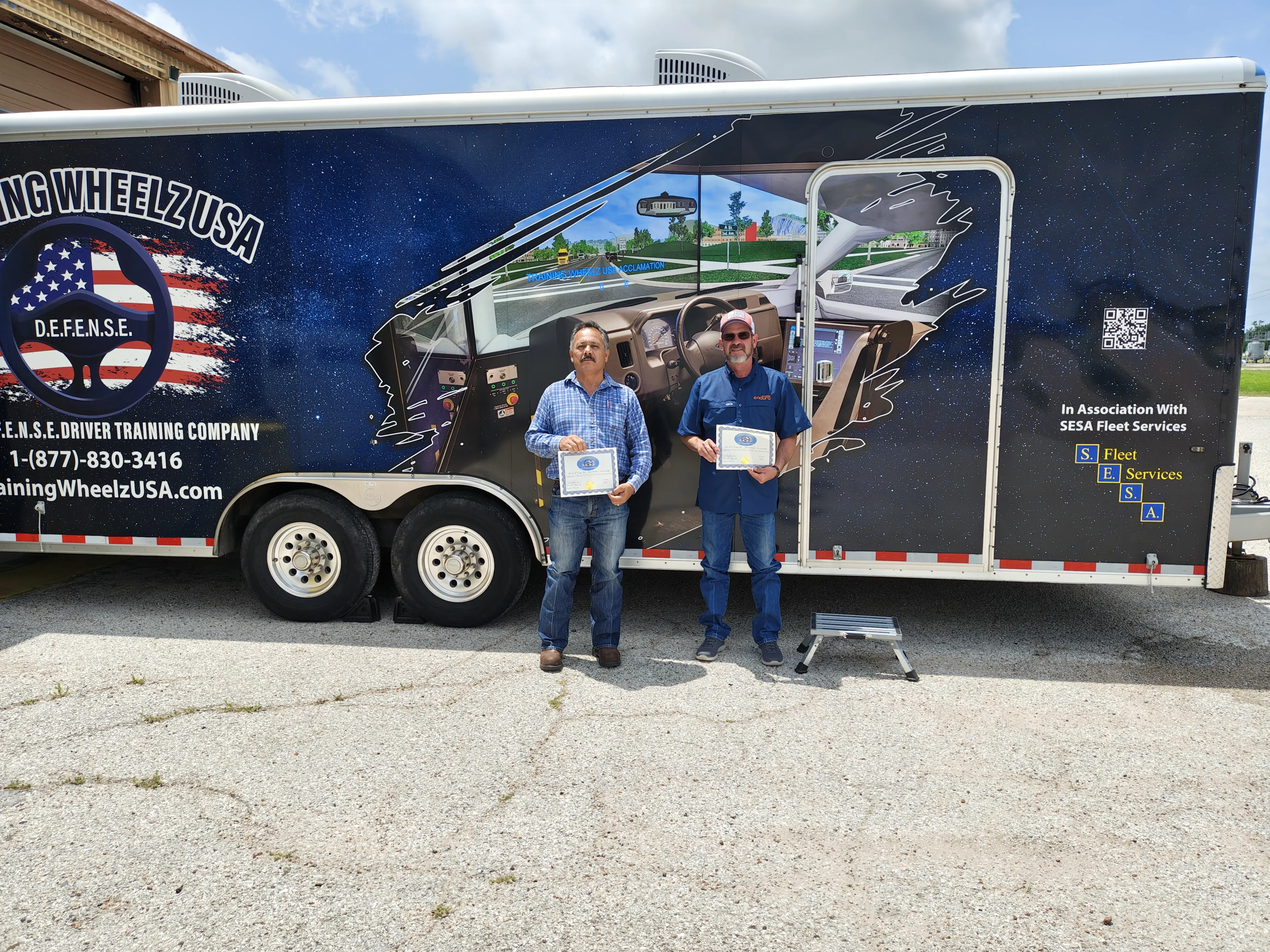
On-site delivery can reduce travel and help training feel connected to the operation. Training Wheelz USA can bring the conversation to the group, which makes it easier to include the mine's own equipment, traffic patterns, and questions in the planning. Organizations comparing options can review the broader Training page before requesting a date.
Keep records that tell the real story
A certificate is useful only when it accurately reflects what took place. MSHA's recordkeeping guidance says the written record should include the person's full name, training type, duration, date, competent person who provided the training, mine or contractor name, identification number when applicable, and training location. Those details make it possible to see who completed what, when, and with whom.
The annual-refresher record also needs to be certified by the person designated as responsible for health and safety training on the Part 46 training plan. Do not leave the documentation until weeks later, when names, hours, and subjects are harder to confirm. Complete it promptly, review it for accuracy, and make sure it can be produced when MSHA, miners, or their representatives need to see it.
Use the record as a management tool, not just a file. A clean training list makes it easier to spot upcoming anniversaries, identify a person who needs another kind of training, and plan a new crew's schedule. It also helps the operation avoid the bad habit of assuming that attendance at one session automatically qualifies someone for every task they may be assigned.
Do not confuse refresher training with new-task training
The annual refresher is a recurring requirement, but a changed assignment can create an immediate training need. A miner who is moved to unfamiliar equipment, a different work area, a new process, or a task with different hazards may need instruction before doing that work. Waiting until the next annual session is not a sensible plan when the change happens today.
Create a simple handoff between operations and training. When a supervisor changes a worker's assignment, they should know who checks whether task training, site-specific hazard awareness, or additional evaluation is needed. When maintenance installs new equipment or a route changes, someone should decide what the crew needs to know before the change goes live. Those small decisions are where a written plan becomes a working safety system.
This is also where an incident review can improve the next refresher. If a near miss reveals confusion about traffic, communication, equipment limits, or a work procedure, correct the condition and decide whether a focused training conversation is needed now. Do not wait for the annual cycle to repeat a lesson after the risk has already shown itself.
Use the refresher to strengthen everyday decisions
A strong refresher leaves a group with a few clear actions they can use immediately: inspect before starting, keep separation around mobile equipment, speak up when conditions change, stop when a route or load is not understood, and bring a recurring concern to a supervisor before it becomes the next incident. These are practical habits, not slogans.
Give the crew a way to carry the training into the next shift. That could be a reviewed traffic map, an updated emergency contact list, a pre-shift check, a specific housekeeping repair, a follow-up walk in a changed area, or a supervisor conversation about a risk the group raised. When people can see a concern being acted on, they are more likely to raise the next one early.
Training Wheelz USA provides surface-only MSHA Parts 46 and 48 new miner and refresher training for organizations that need a practical, organized training day. To discuss your crew, mine type, and timing, request a training date.
Bring practical safety training to your site.
Training Wheelz USA delivers instructor-led driver and workplace safety training for organizations across The Woodlands and surrounding areas.
Request a Training Date →Frequently asked questions
How many hours is MSHA Part 46 refresher training?
Part 46 annual refresher training is at least eight hours every 12 months for covered miners. It can be delivered in one session or smaller blocks, as long as the total documented training time reaches at least eight hours and the required subjects are addressed.
What must be covered in Part 46 annual refresher training?
The refresher must include changes at the mine that could adversely affect miners' health or safety, plus other health and safety subjects relevant to the operation. The training plan should identify the subjects and the approximate time planned for each one.
Can toolbox talks count toward Part 46 refresher training?
They can count when the sessions are part of a compliant annual refresher program and the documented training time totals at least eight hours. The topics still need to fit the mine's hazards and changes, and the records must accurately show what was completed.
Does annual refresher training replace new-task training?
No. Annual refresher training does not replace the training needed when a miner is assigned a new task or faces unfamiliar hazards. A mine should address that need before the person performs the changed work, rather than waiting for the next annual refresher.
Related posts
Truck Driver Training: What New Drivers Should Expect
A practical guide to truck driver training, CDL preparation, and building safer habits before the road gets demanding.
Forklift Operator Certified Training: What It Requires
What forklift operator certified training includes, how workplace evaluation works, and when refresher training is needed.

Does OSHA 10 Expire? What Employers Need to Know
Does an OSHA 10 card expire? Learn what the federal program says, when a workplace may still require updated training, and how to plan responsibly.